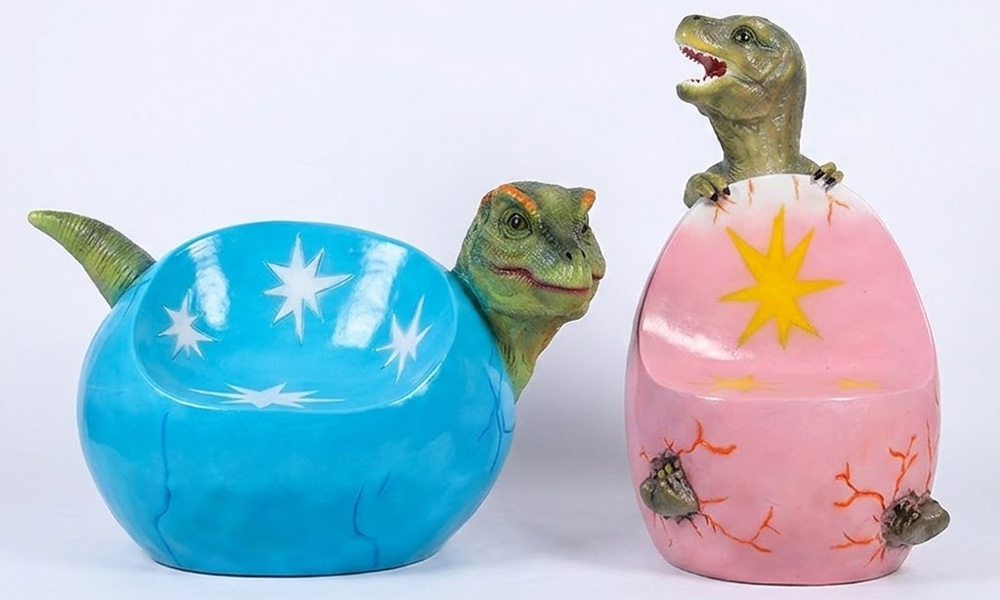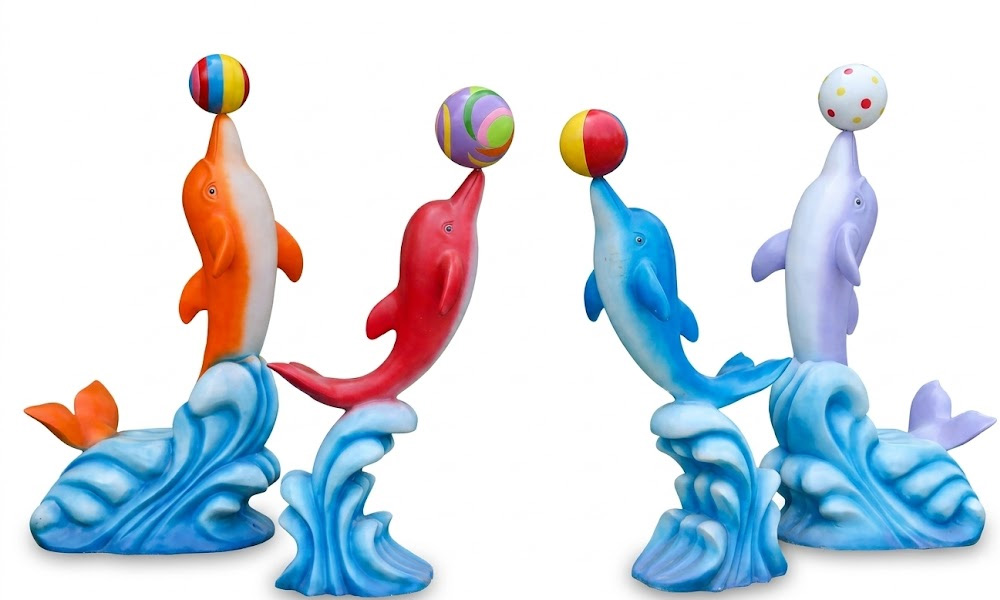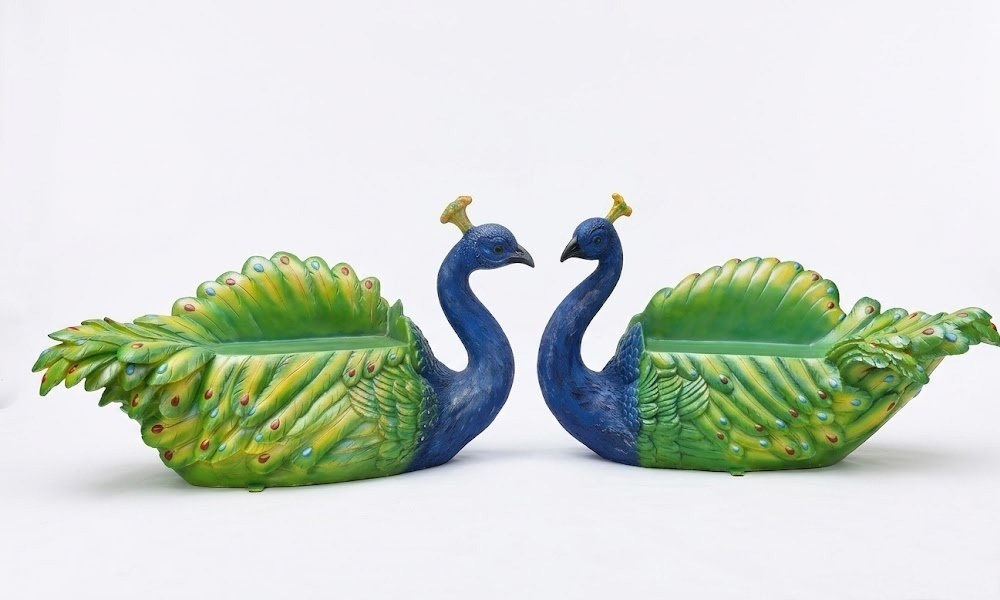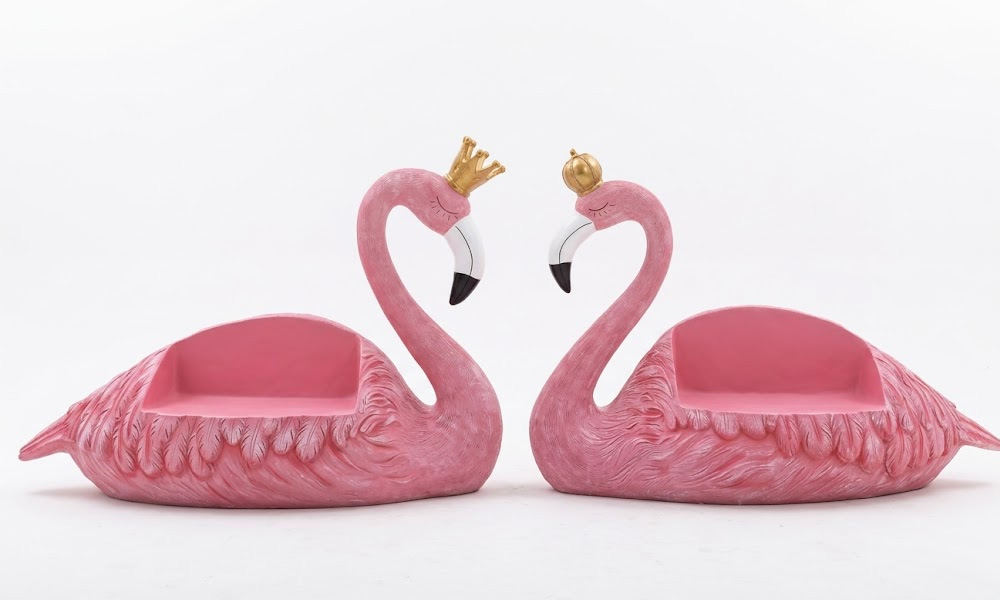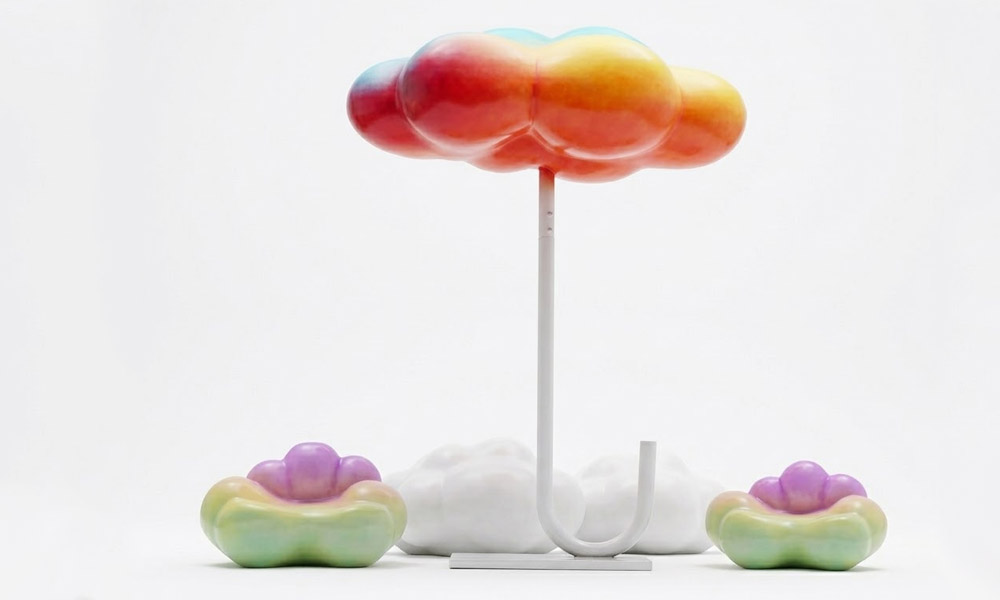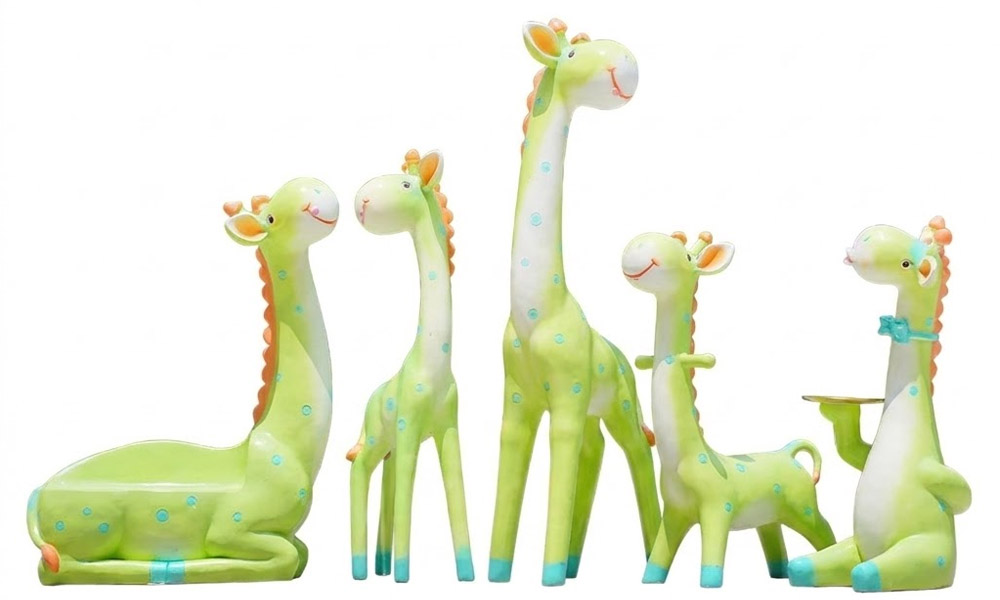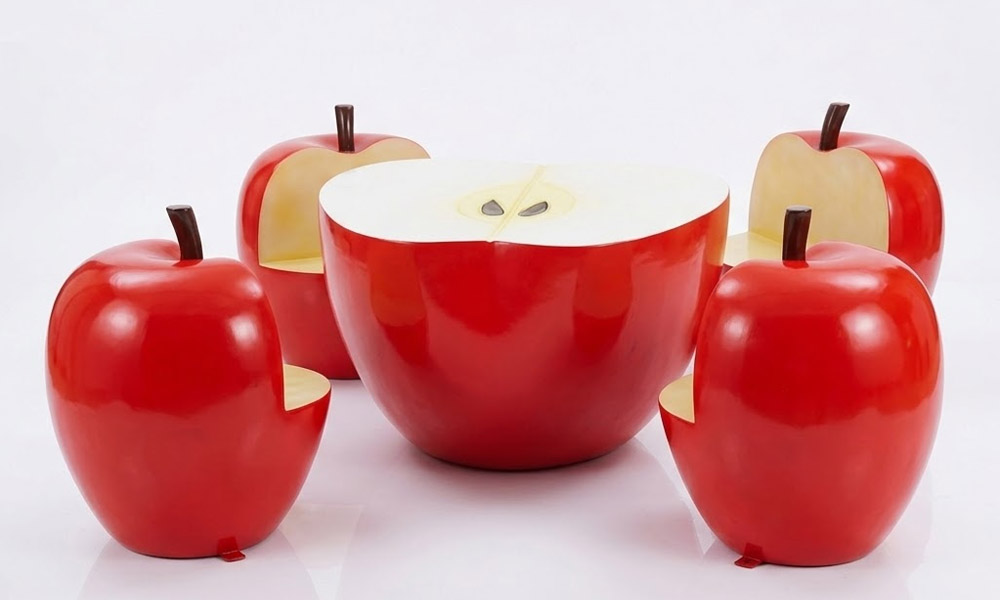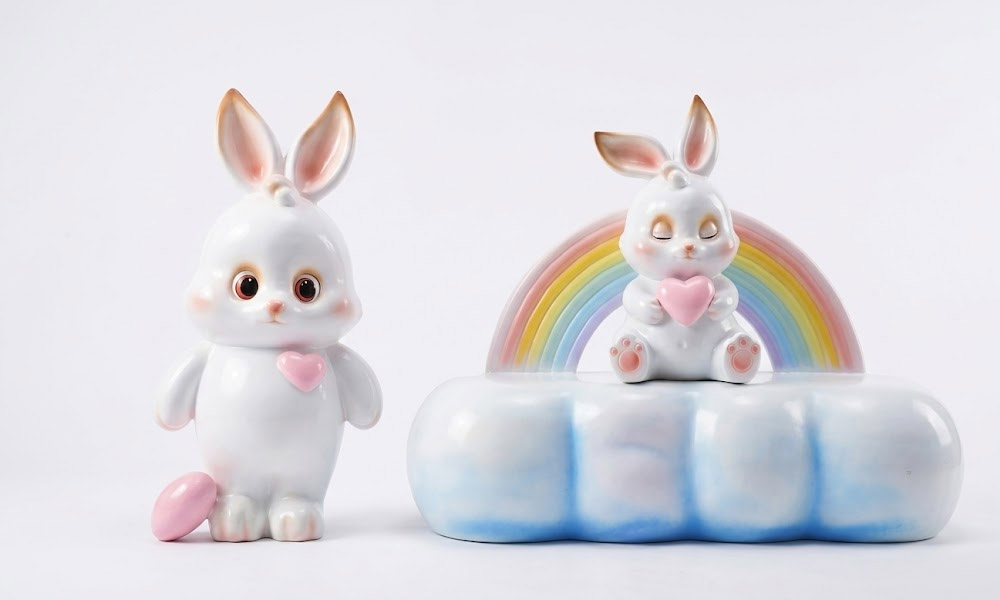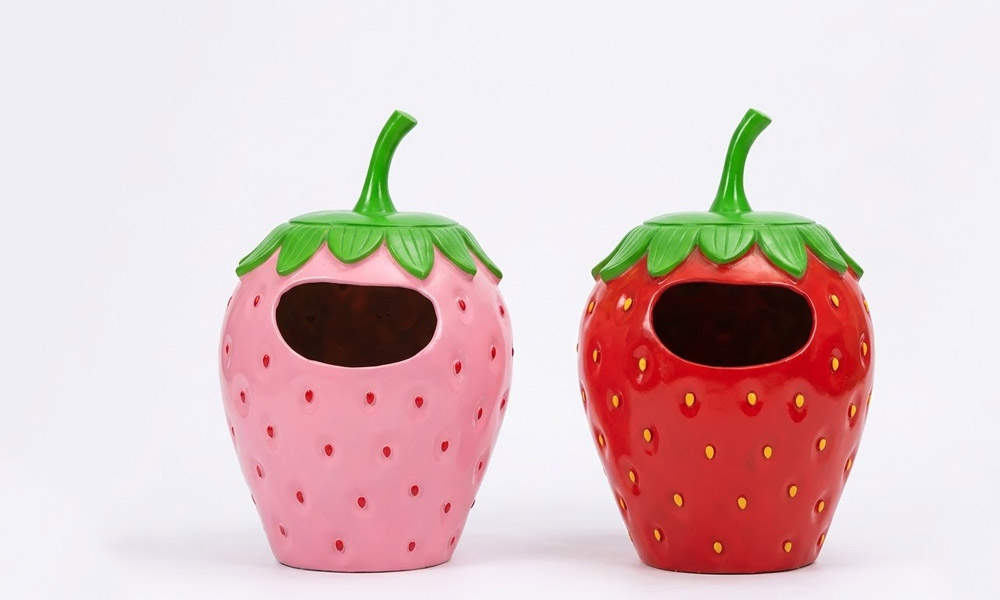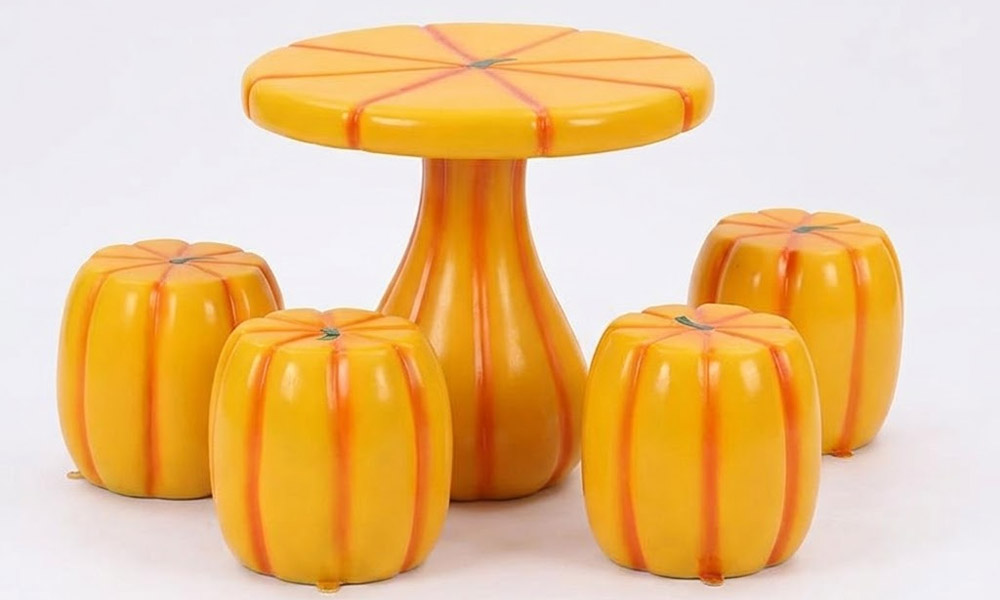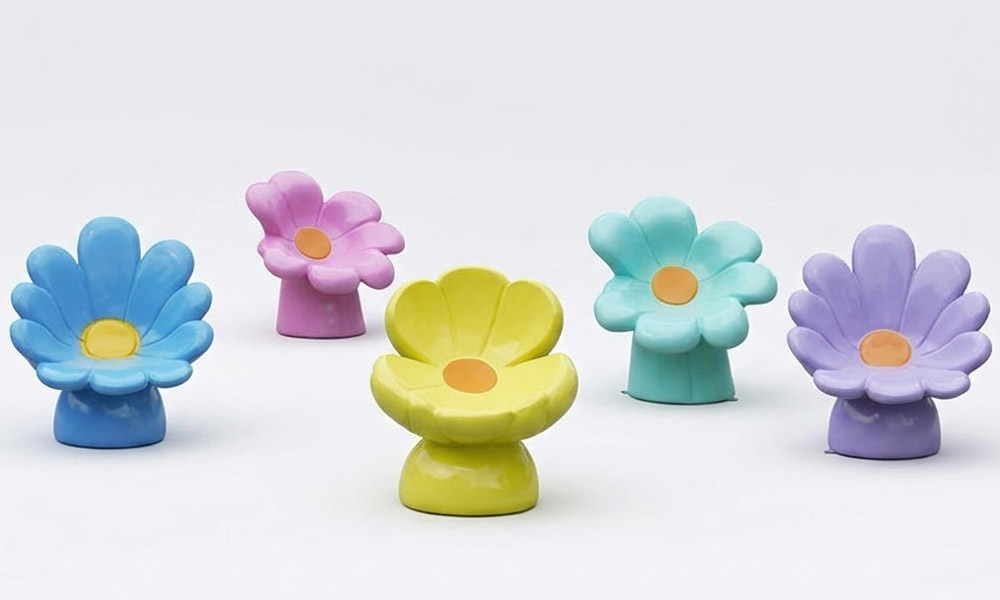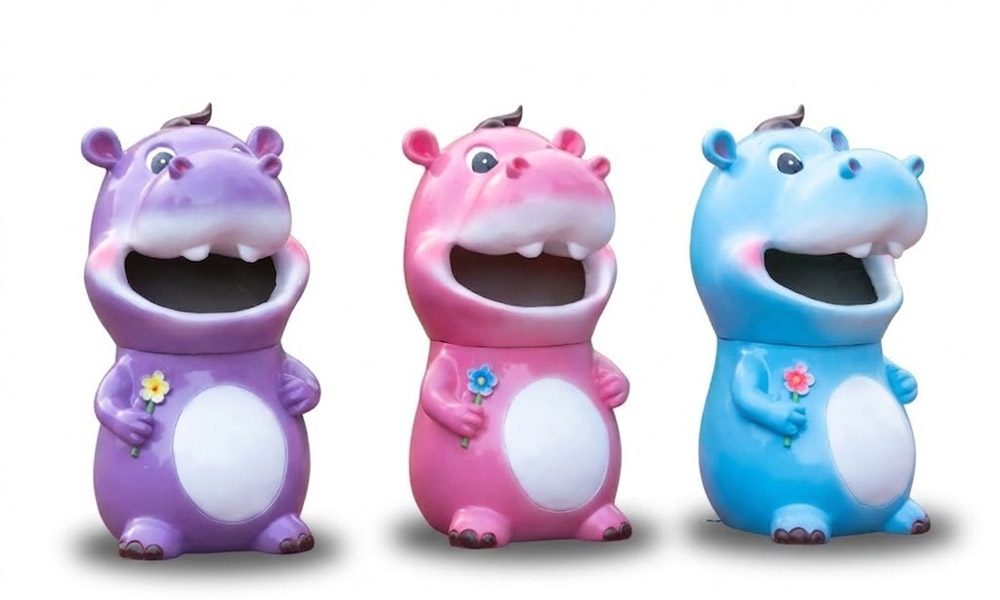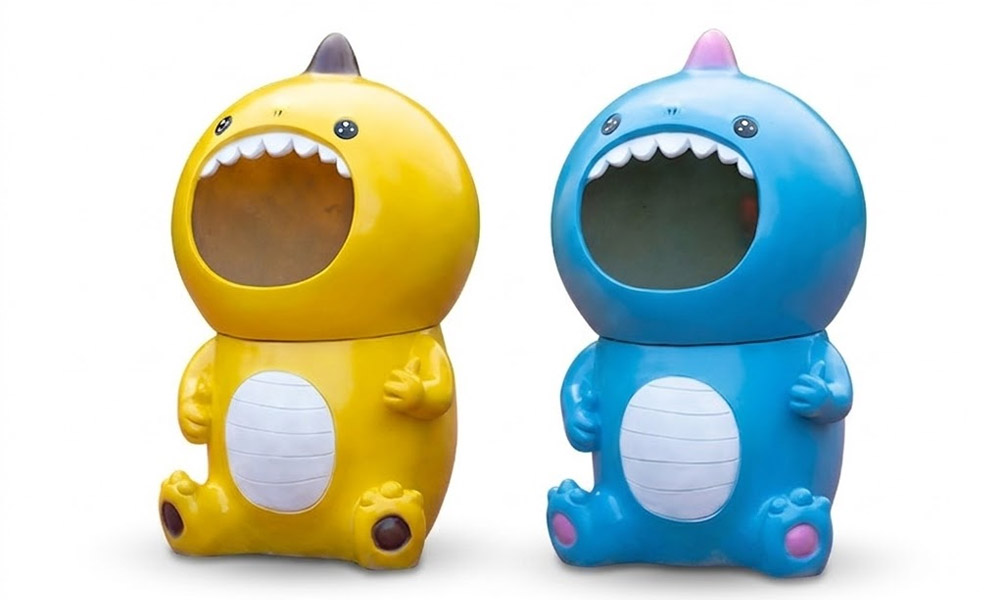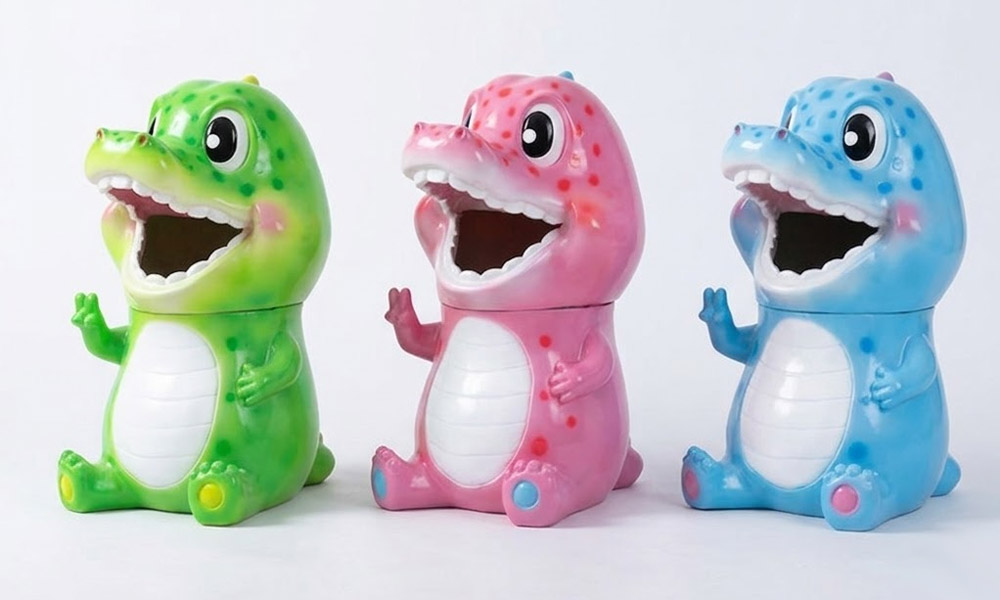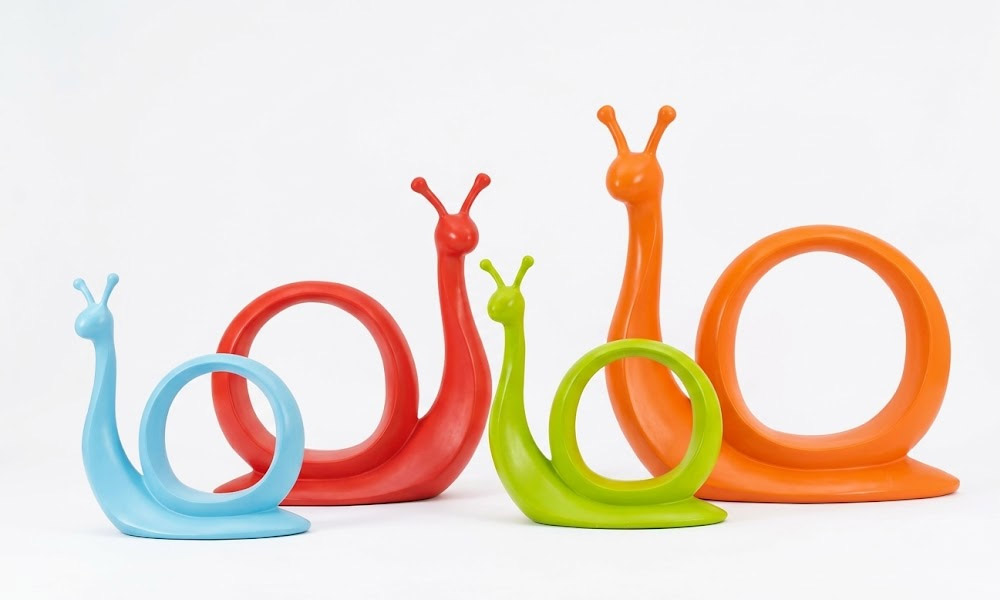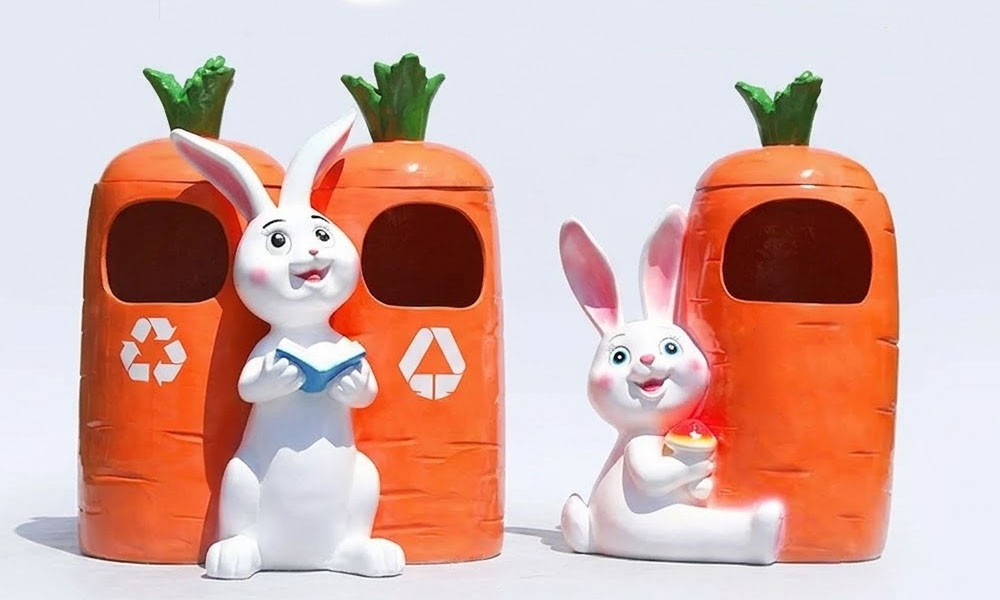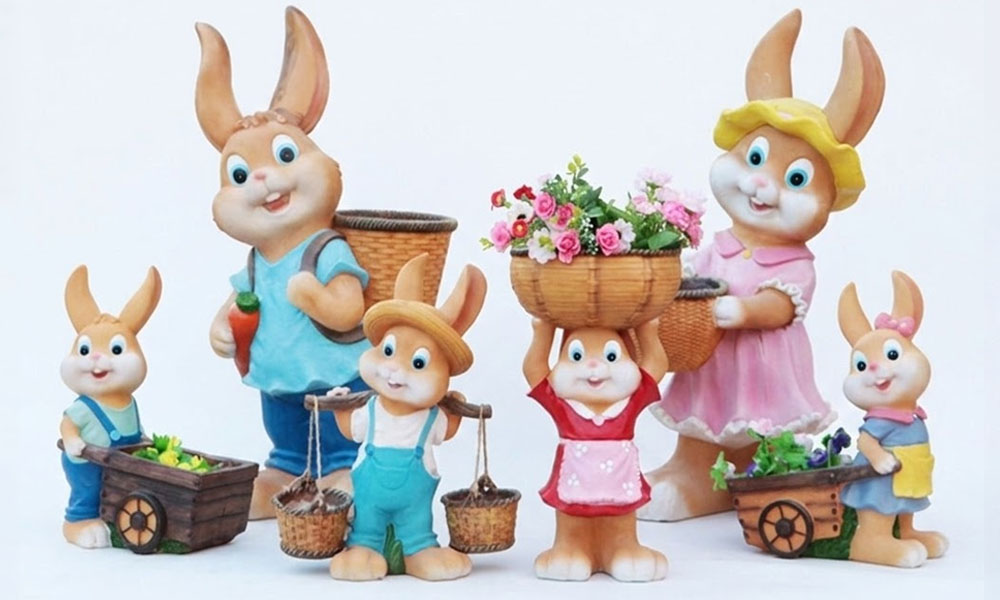
Sculptural street furniture represents the intersection of industrial design and public art. By reimagining utilitarian objects like planters and trash receptacles as high-design focal points, cities can maintain cleanliness and greenery while reinforcing a distinct visual identity. In 2026, the trend has shifted toward “functional poetry”—pieces that serve a purpose but look like they belong in a gallery.
Elevating the Everyday
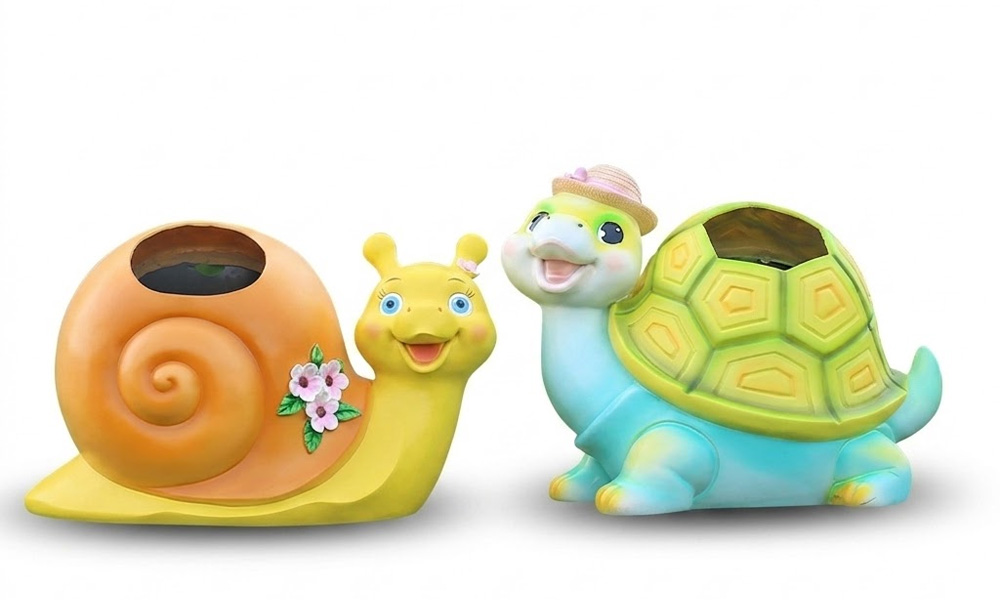
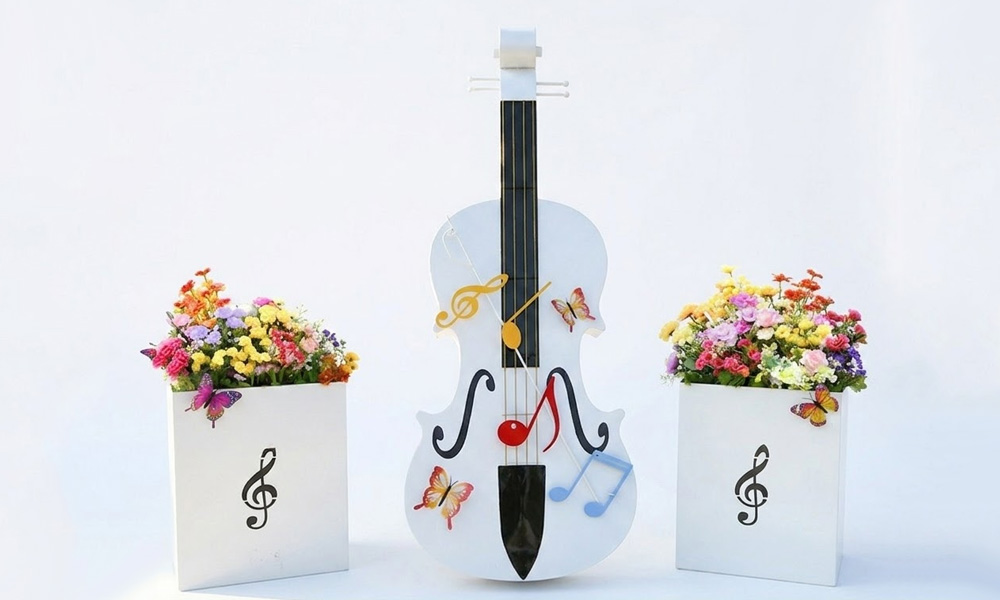
- Planters as Architectural Anchors: Modern sculptural planters often feature geometric or fluid, organic shapes made from GFRC (Glass Fiber Reinforced Concrete) or Corten steel. They act as natural barriers and seating edges, blending soft landscaping with hard architecture.
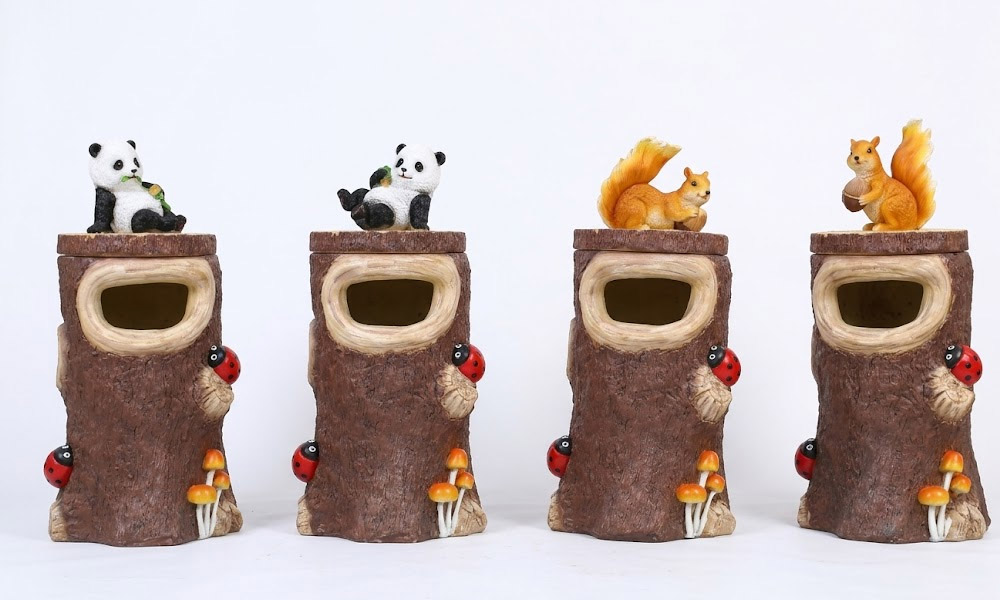
- Receptacles as “Hidden Art”: Rather than being eyesores to be hidden, contemporary trash and recycling bins use premium finishes like brushed stainless steel, wood-clad panels, or powder-coated aluminum to match the surrounding streetscape.
- Cohesive Systems: Designers now favor “families” of furniture where the curves of a planter mirror the silhouette of a nearby bin or bench, creating a unified “sculptural trail” through a plaza or park.
- Material Innovation: 2026 designs frequently incorporate “smart” surfaces—anti-graffiti coatings and self-watering reservoirs—ensuring the sculpture remains pristine with minimal maintenance.
Current urban design favors “Biomorphic Forms”—trash cans and planters that mimic natural shapes like smooth river stones or unfurling petals. This softens the “harshness” of concrete cityscapes and encourages people to linger in public spaces.