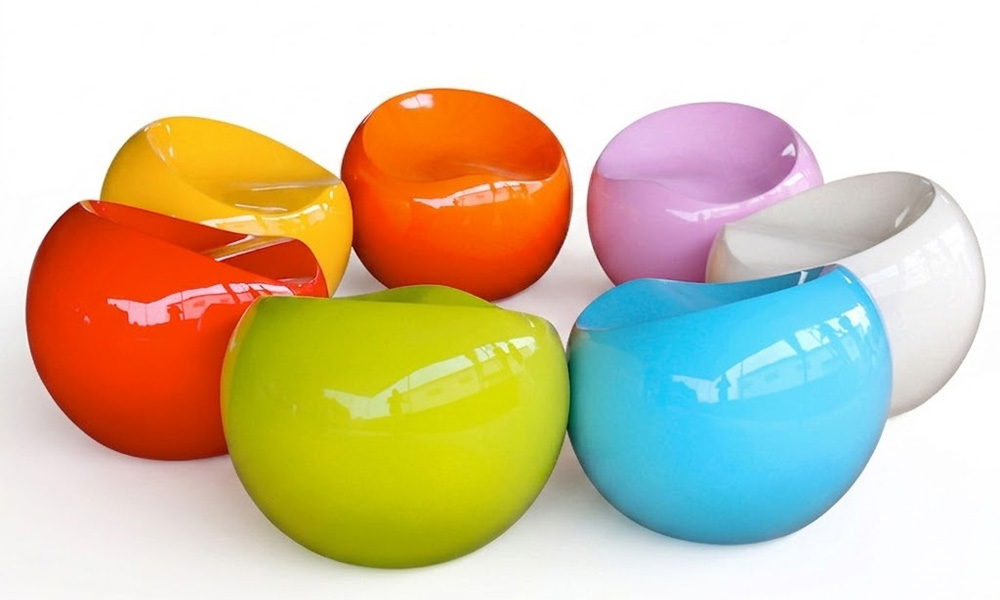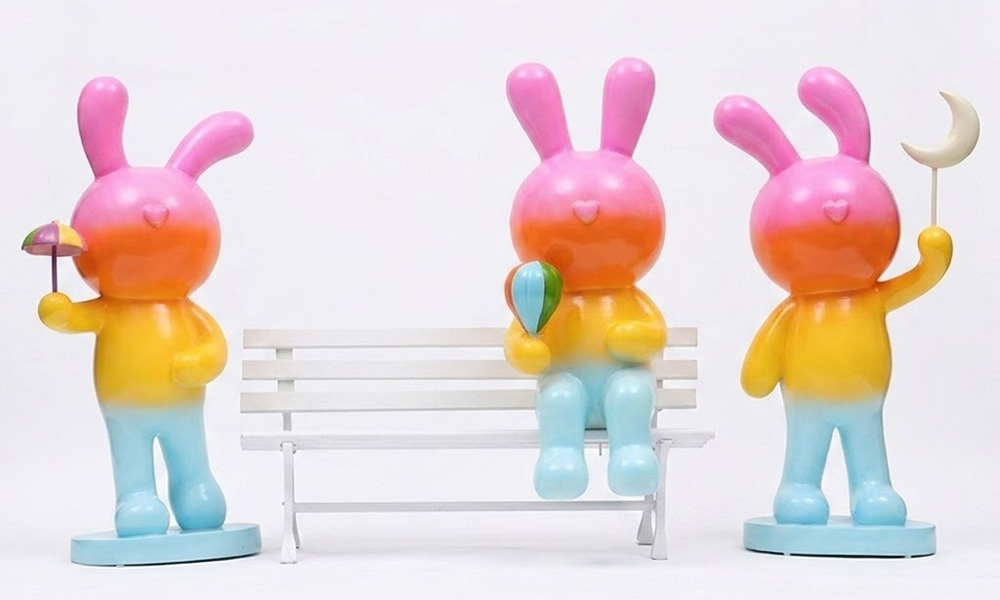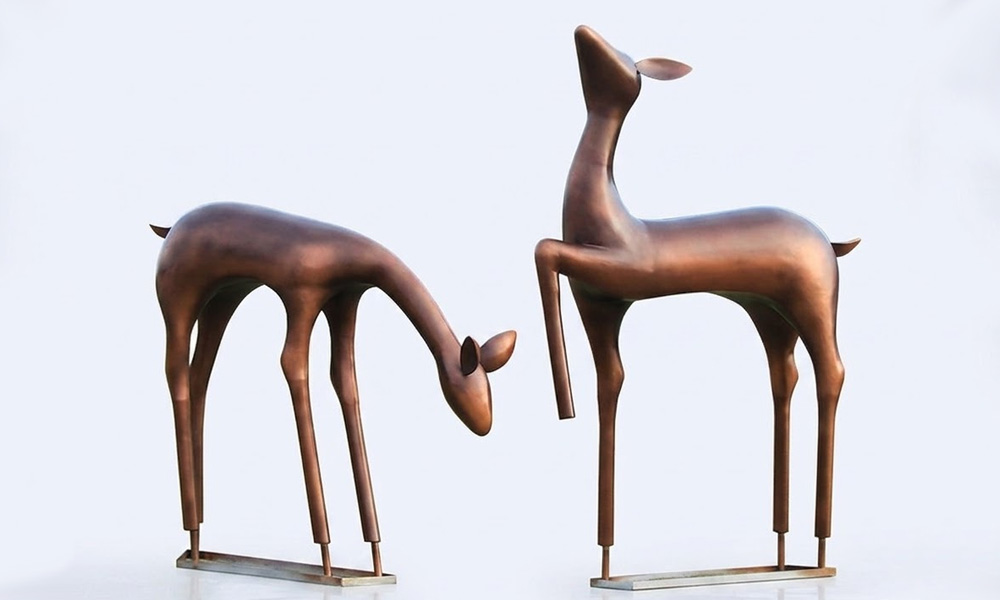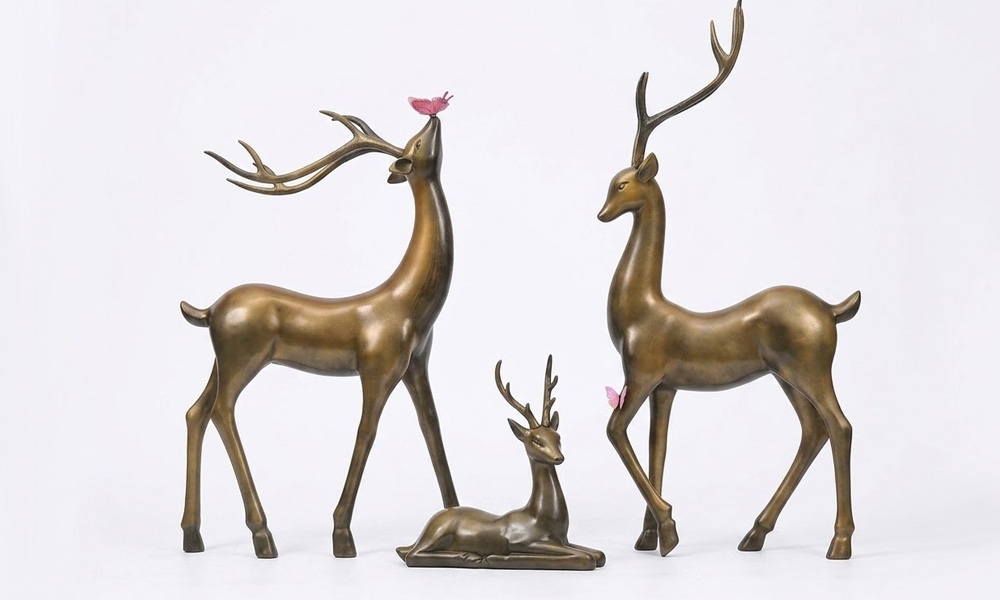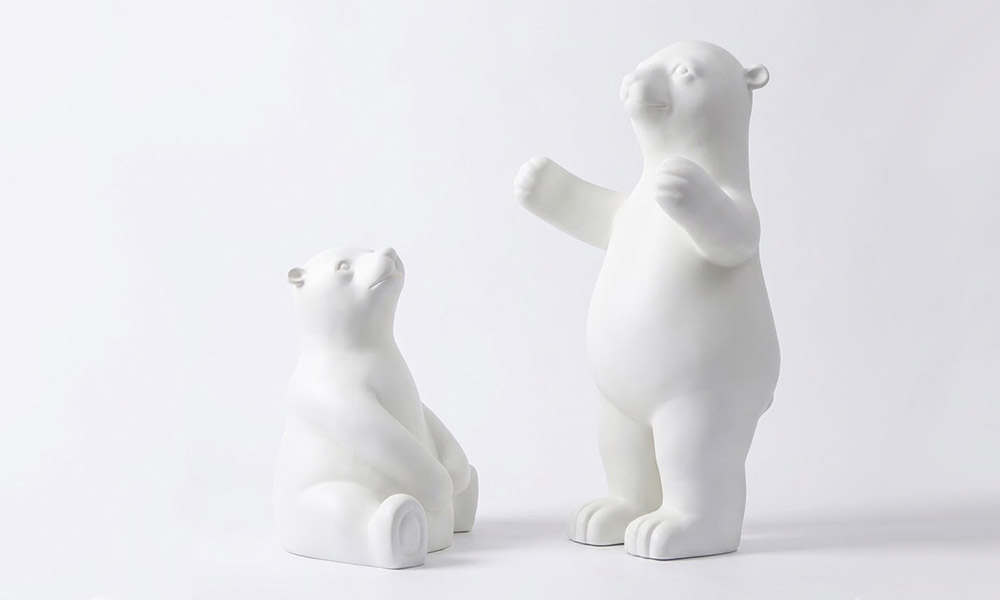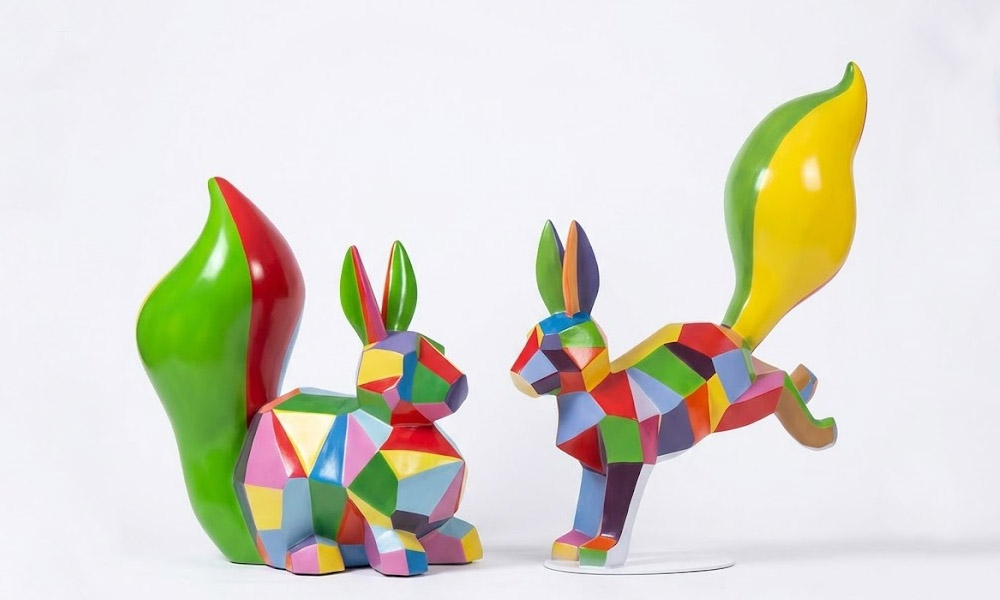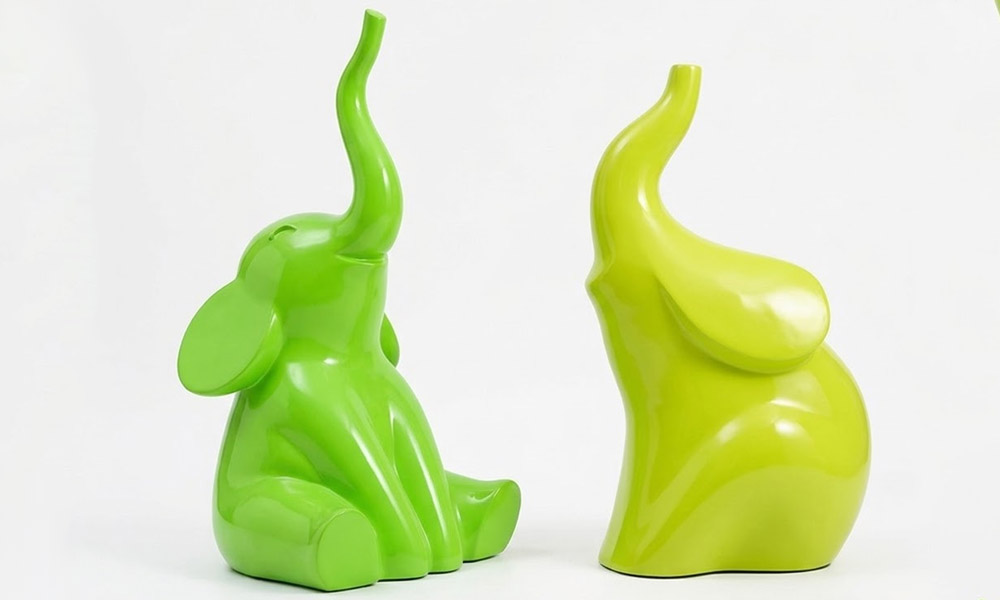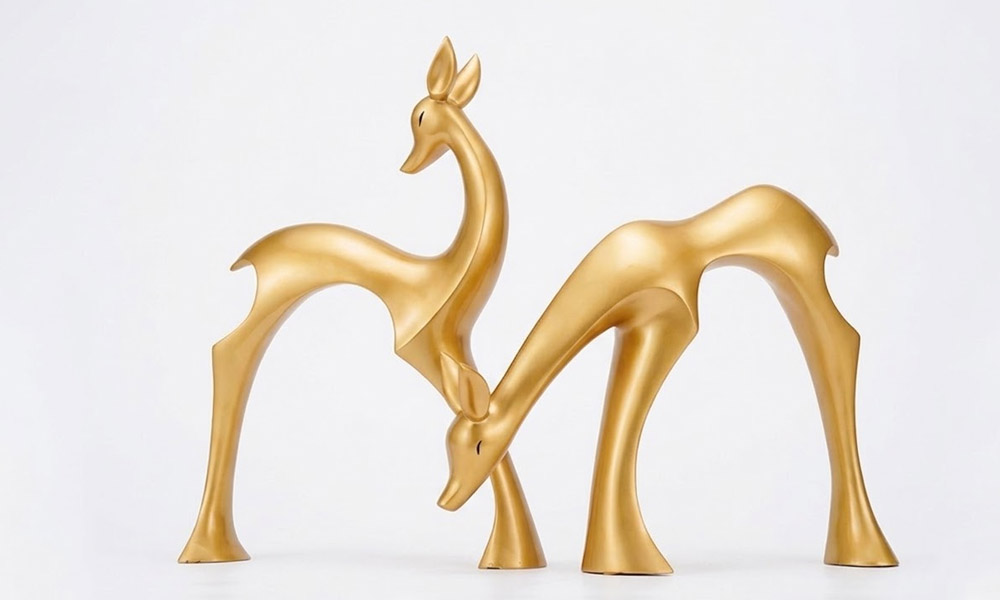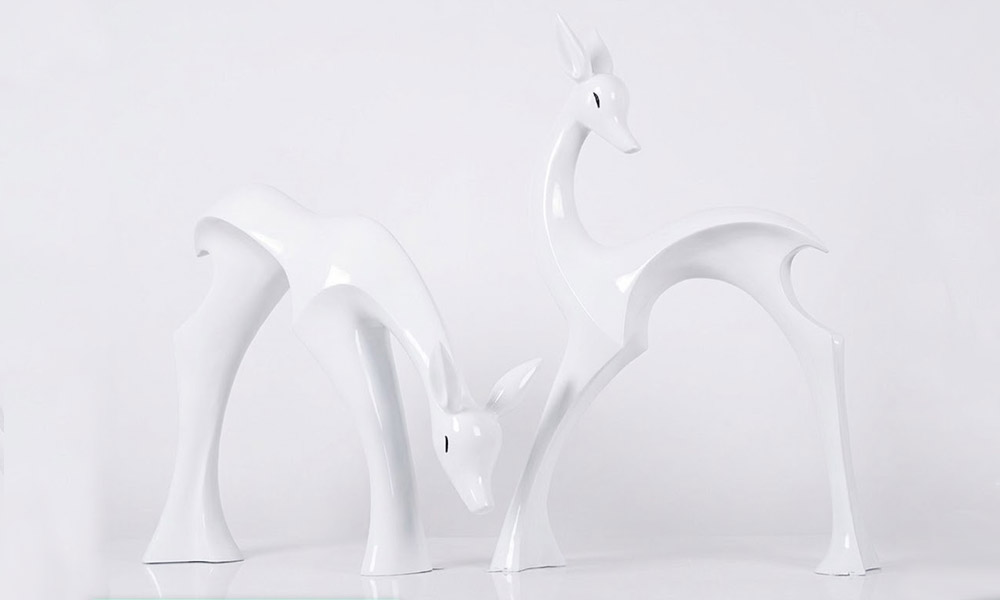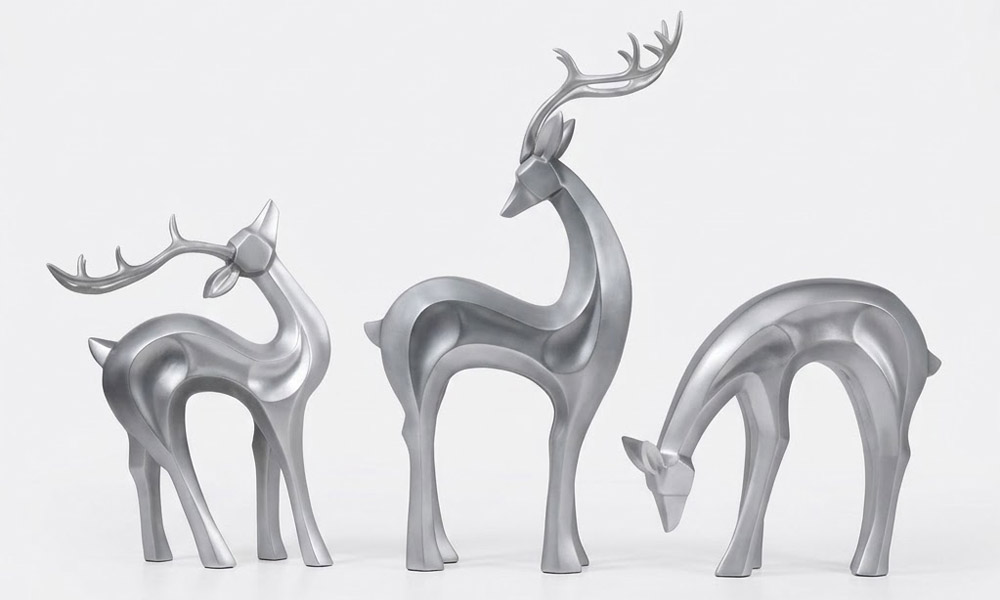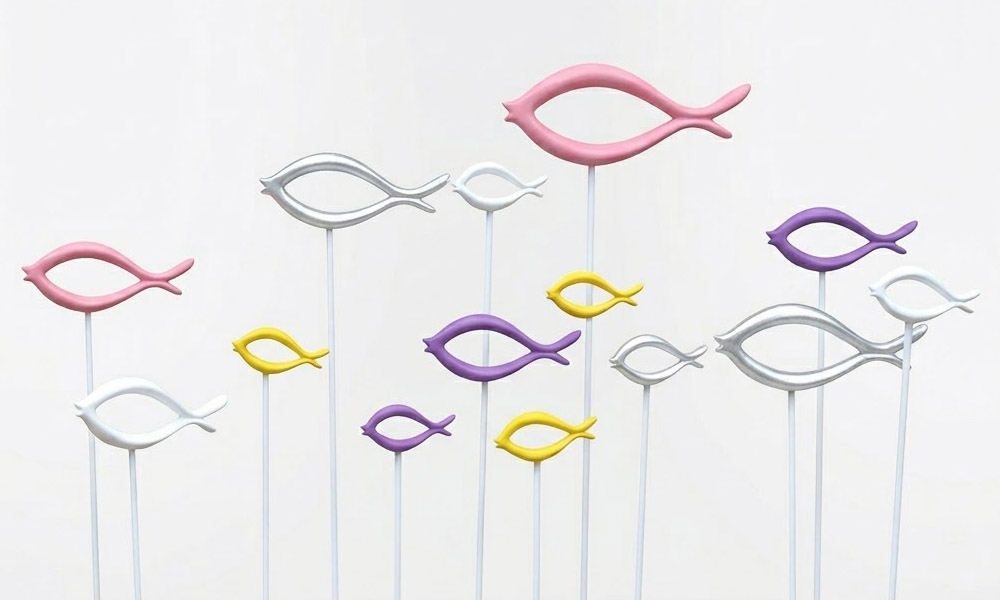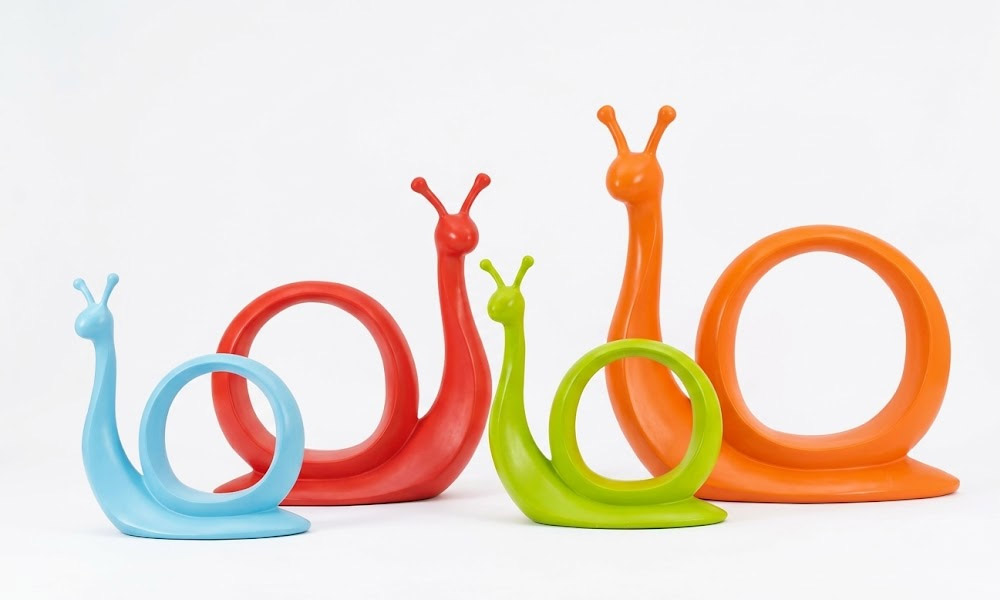
Abstract style sculptures are the ultimate expression of “art for art’s sake,” stripping away literal representation to focus on the raw power of form, line, and texture. By 2026, these pieces have become the gold standard for modern architectural integration, offering a sophisticated visual language that invites personal interpretation rather than dictating a single meaning.
The Power of the Abstract Form
- Emotional Resonance: Without the distraction of a recognizable figure, abstract sculpture communicates through its silhouette. Sharp, jagged angles can evoke energy and tension, while smooth, sweeping curves suggest tranquility and flow.
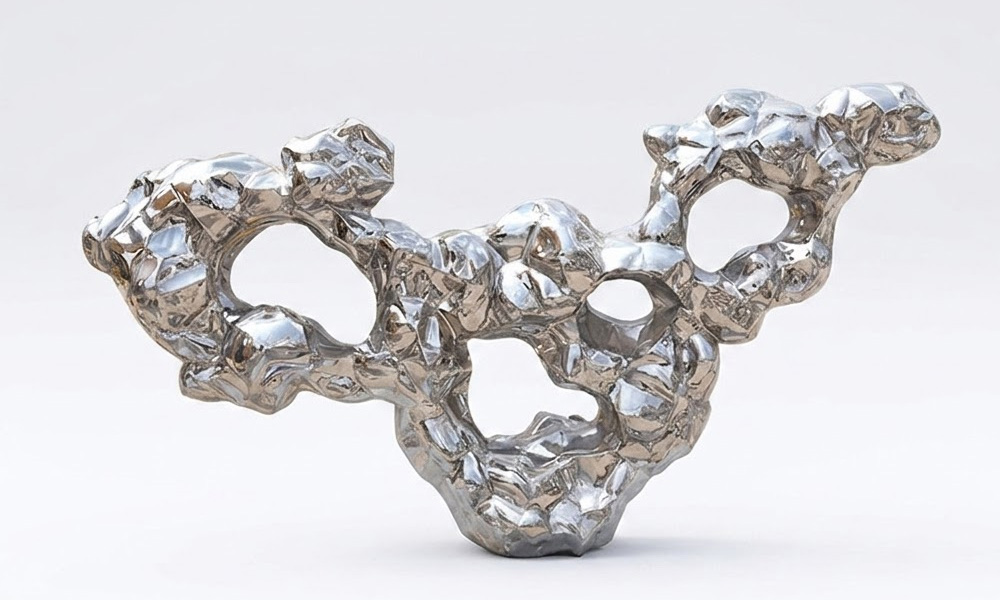
- Material as the Hero: Abstract design allows the intrinsic beauty of the medium to shine. Whether it’s the industrial gleam of mirror-polished stainless steel, the organic warmth of weathered wood, or the heavy presence of cast concrete, the material itself becomes the narrative.
- Spatial Interaction: These sculptures often utilize negative space—the “holes” or gaps within the piece—to frame the surrounding environment. This makes the sculpture feel like a lens through which to view the landscape or skyline.
- Versatile Integration: Because they aren’t tied to a specific “subject,” abstract pieces are incredibly versatile. They fit as naturally in a minimalist corporate lobby as they do in a wild, perennial garden.
Design Tip: To highlight an abstract sculpture, use directional lighting. By casting sharp shadows or creating high-contrast highlights on the surfaces, you can completely change the “mood” of the piece from day to night, revealing hidden depths in the geometry.