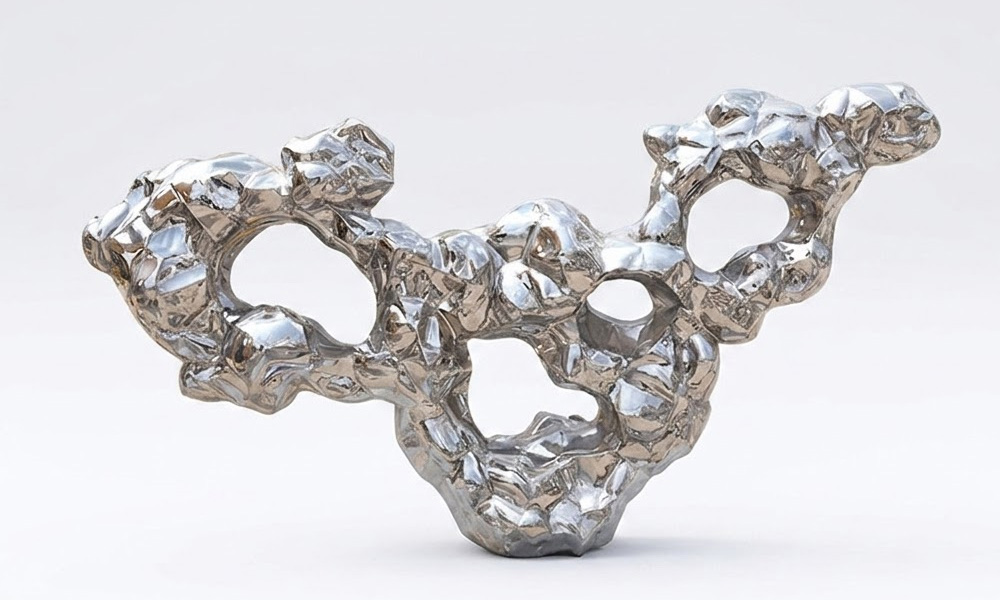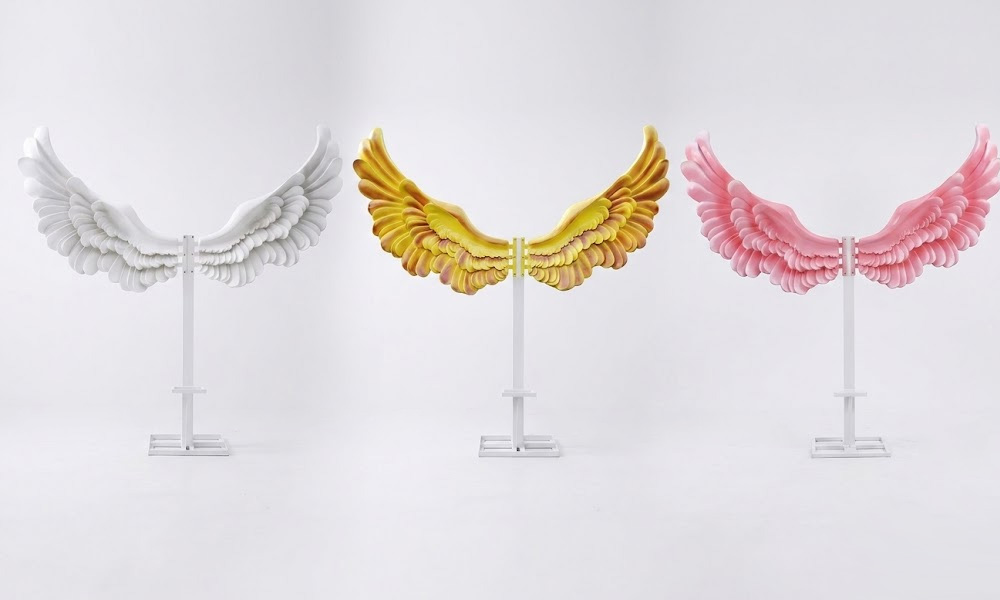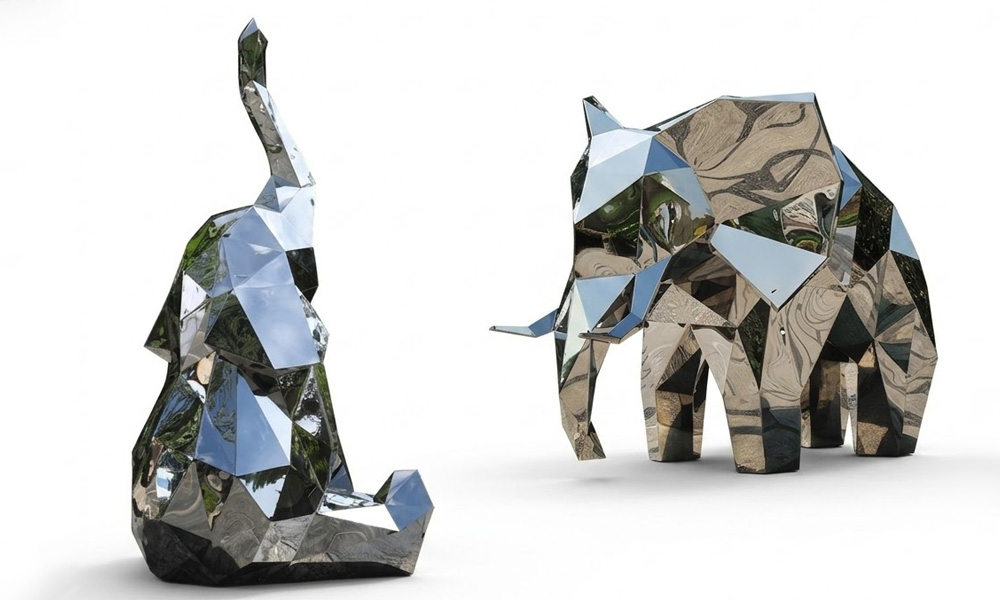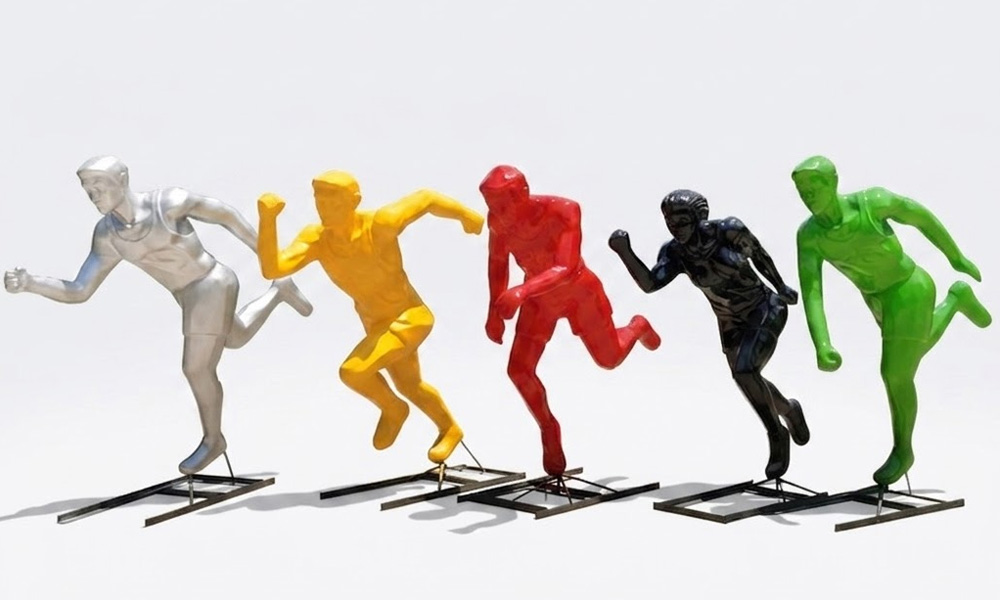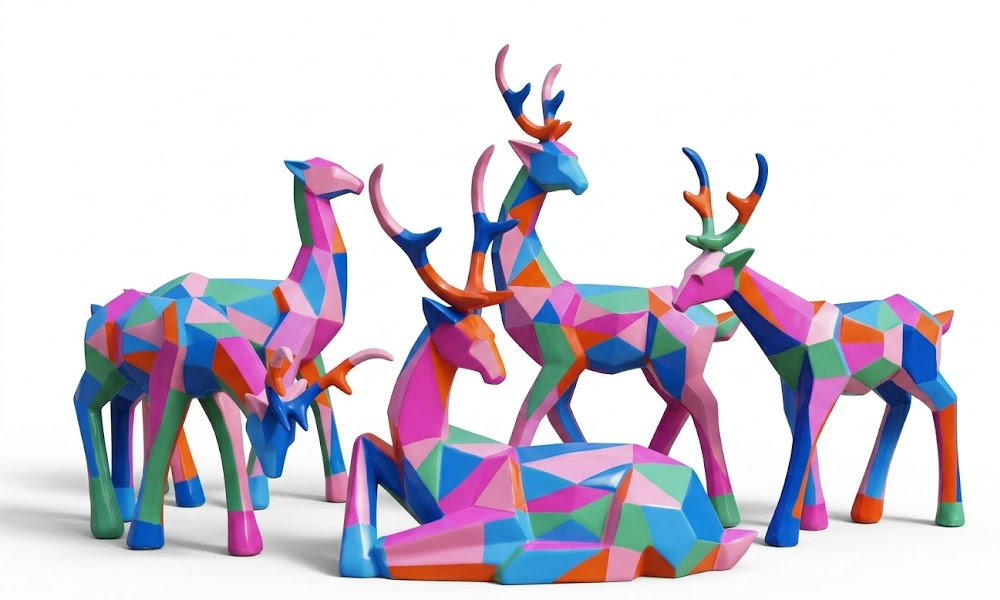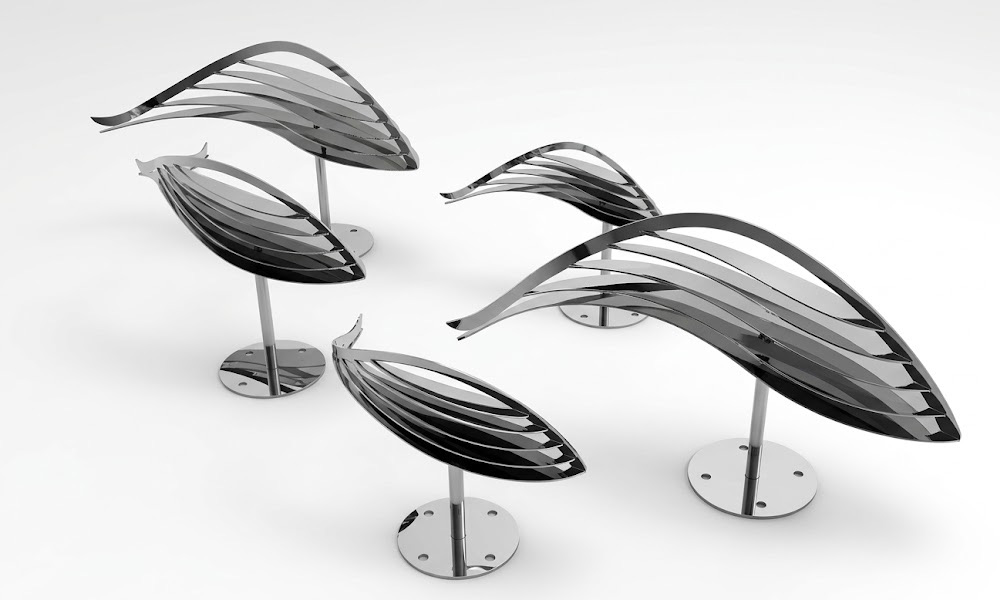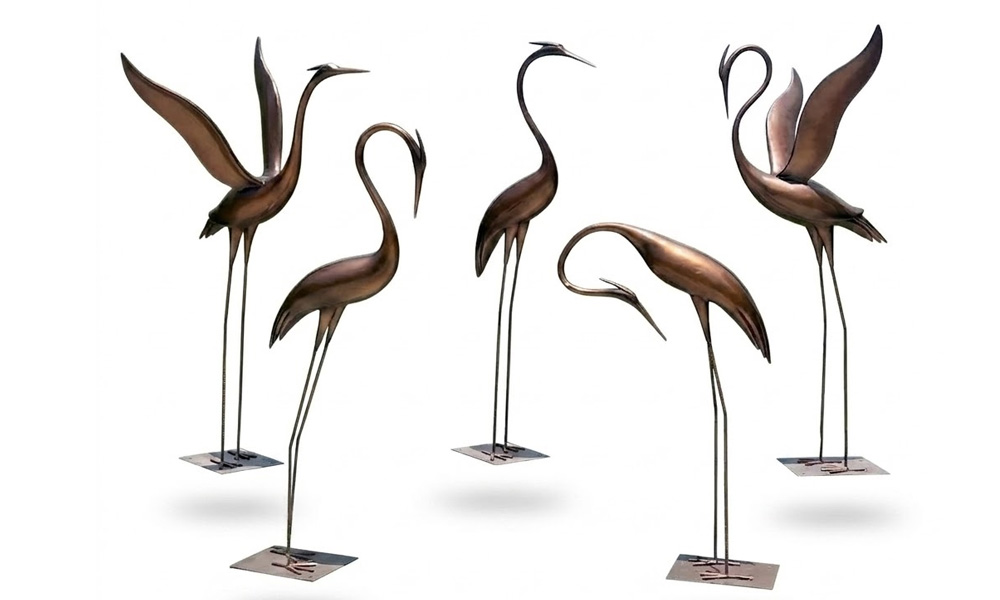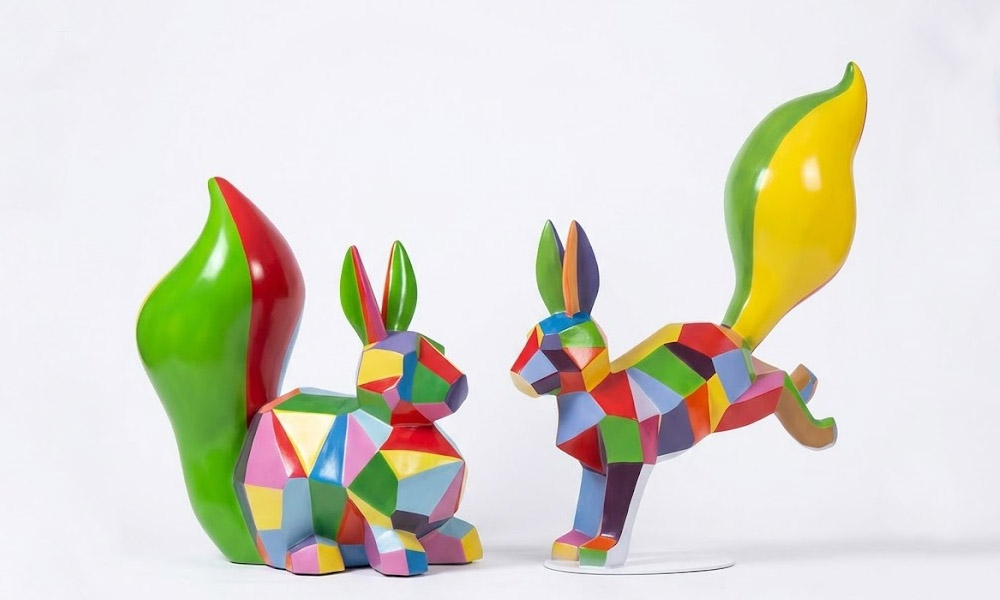
Public space and landmark sculptures are the “anchors” of a city’s identity, transforming a simple location into a shared destination. These monumental works do more than decorate—they capture the collective spirit of a community, celebrate history, and provide a sense of place that resonates across generations.
The Impact of Public Art
- Cultural Identity: Landmark sculptures often become synonymous with the cities they inhabit, acting as a visual shorthand for a region’s heritage or future-looking aspirations.
- Social Interaction: These pieces serve as “third places”—meeting points where people gather, take photos, and engage with their environment in a tactile way.
- Urban Renewal: Large-scale public art can revitalize underused plazas or parks, driving foot traffic and supporting local economic vitality by making a space “Instagrammable” and welcoming.
- Site-Specific Narrative: Unlike gallery art, public sculptures are often designed in direct response to the local landscape, history, or community stories.
A Note on Legacy: Successful landmark sculptures often balance bold, iconic silhouettes with intricate details that reward close-up inspection, ensuring they remain relevant and engaging for decades.