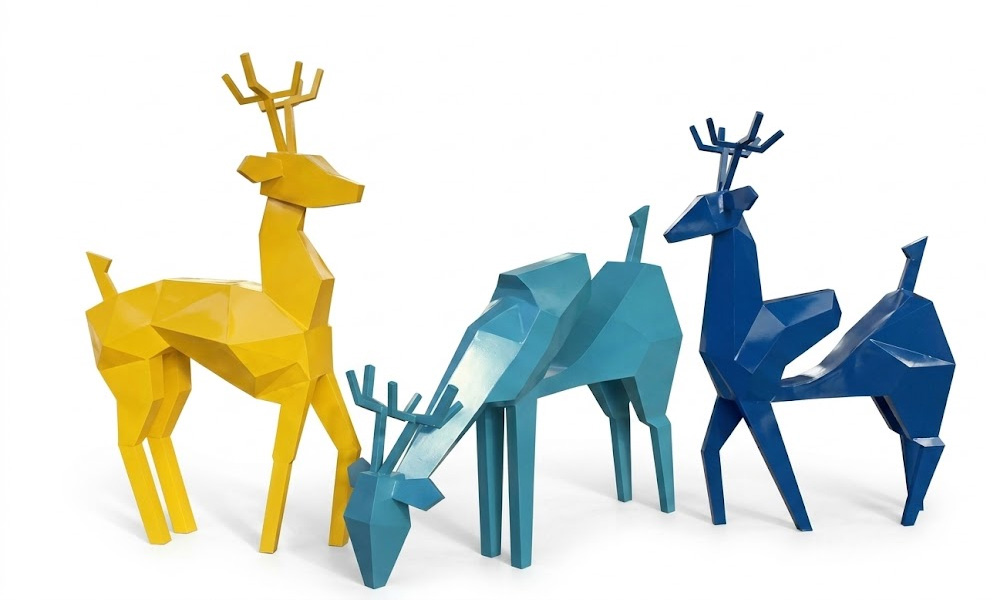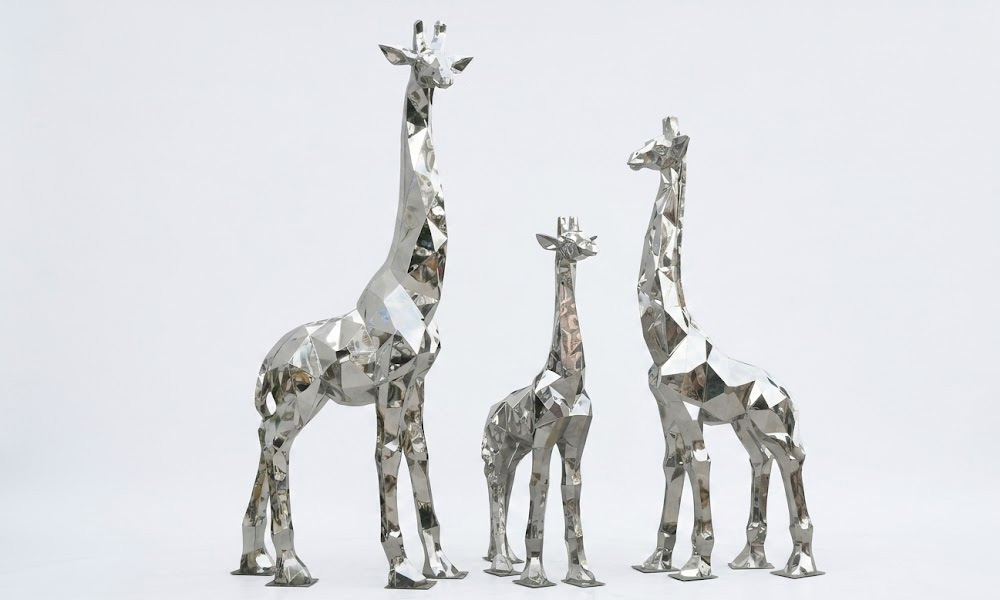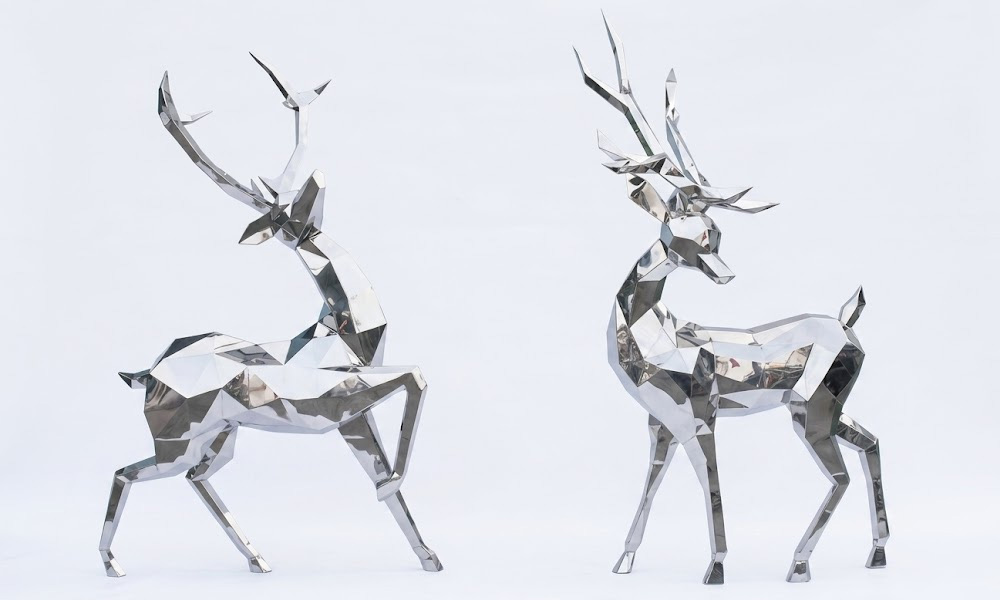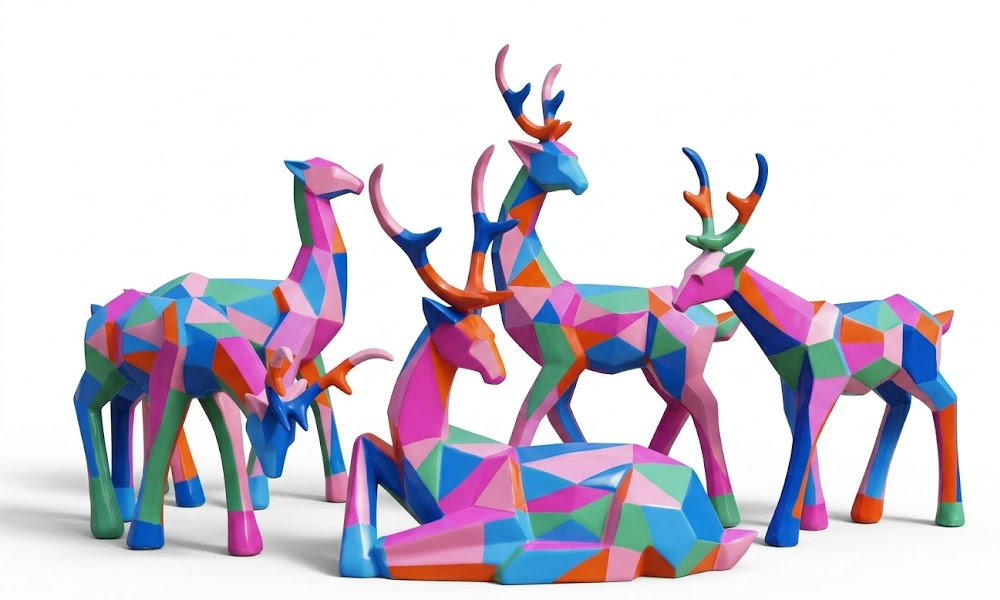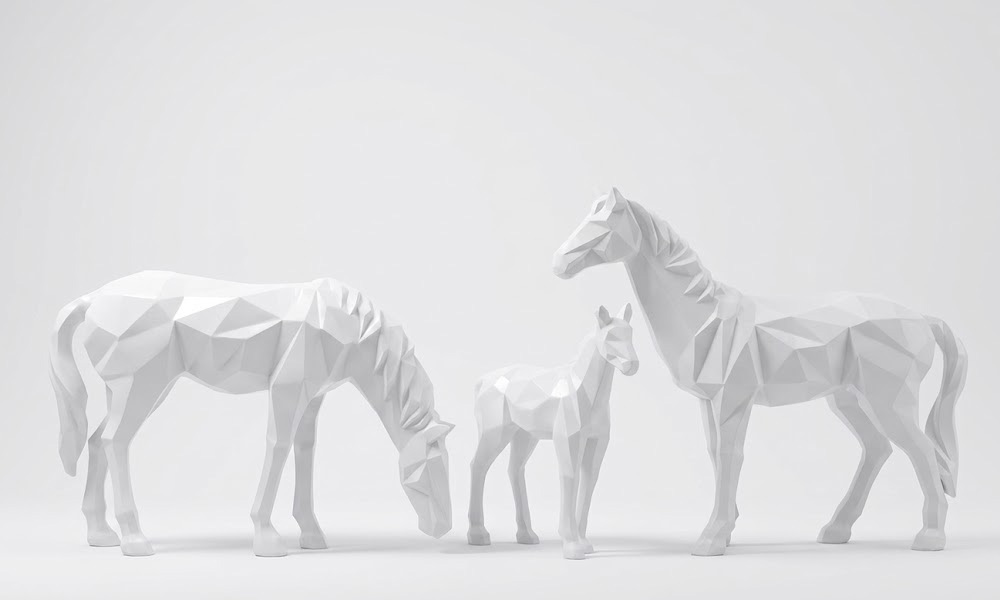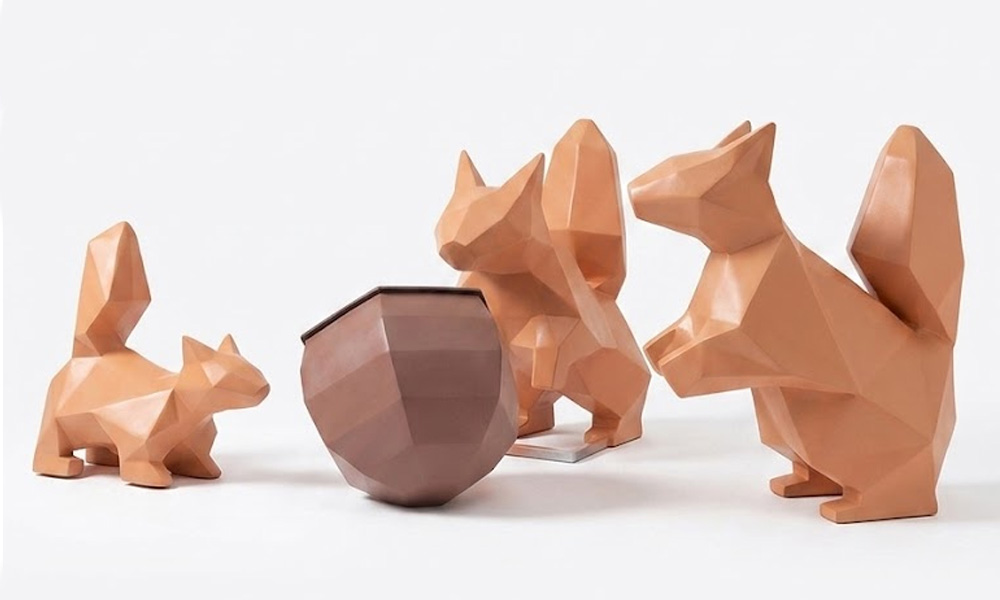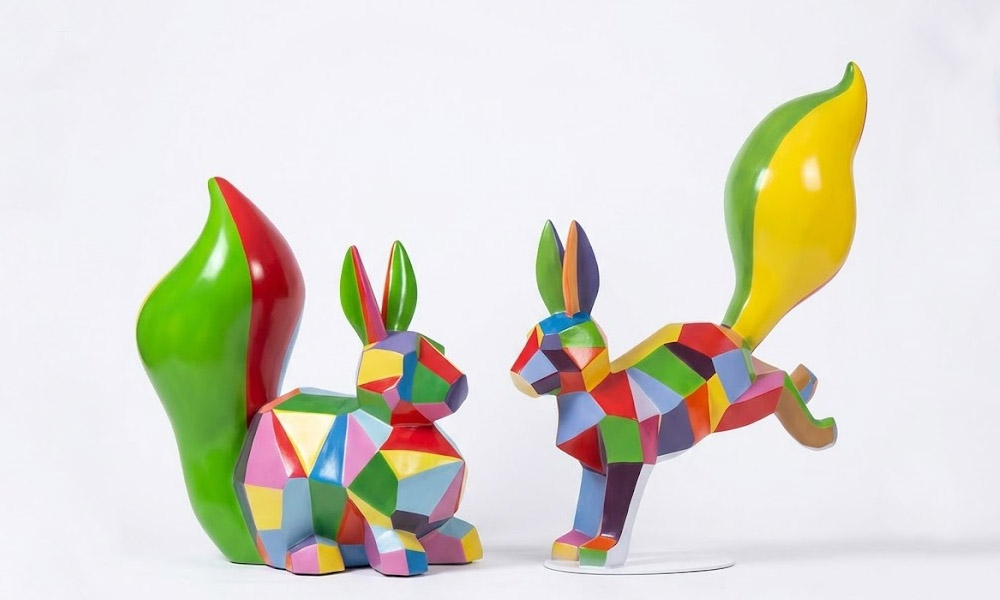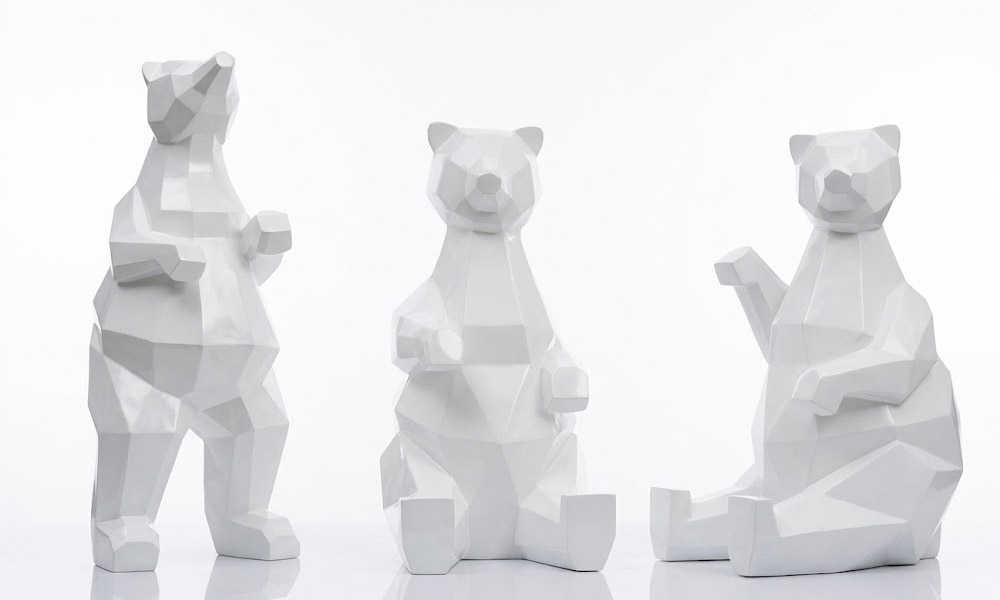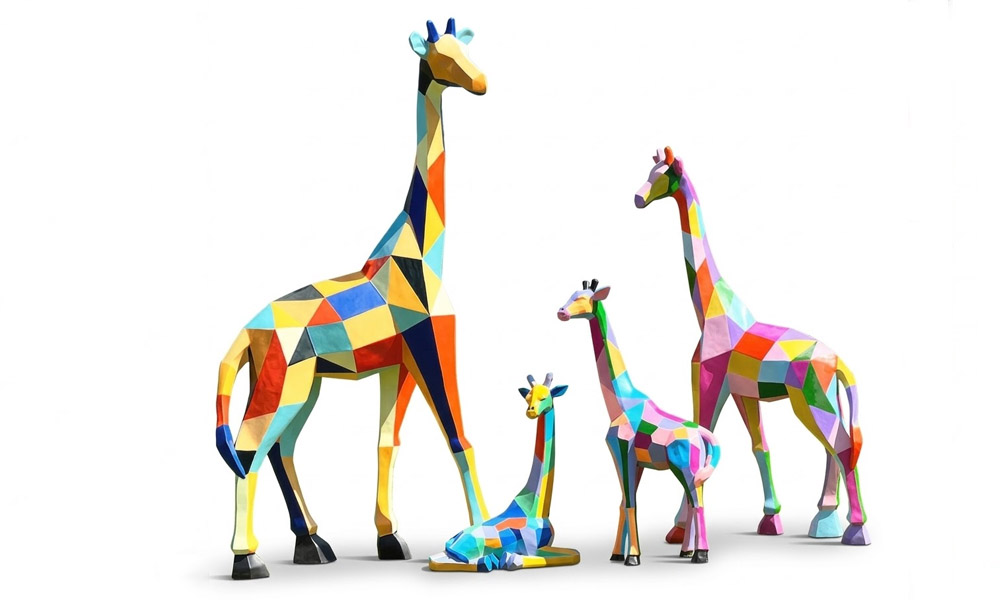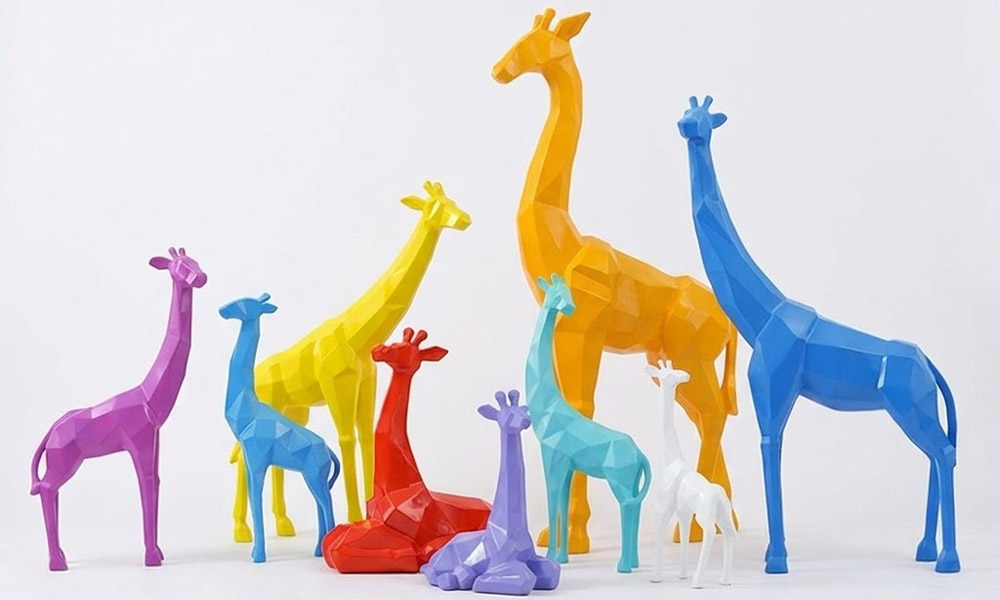
Geometric style sculptures are the architects of the art world, using the pure language of mathematics and precision to transform a space. In 2026, these pieces are the premier choice for modern environments, offering a sophisticated, structured beauty that feels both timeless and cutting-edge.
The Precision of Geometric Form
- Mathematical Harmony: By utilizing fundamental shapes—cubes, spheres, pyramids, and tori—geometric sculpture creates a sense of balance and order. These pieces resonate with the human brain’s love for symmetry and logic.
- Architectural Dialogue: Geometric sculptures act as a bridge between the landscape and the surrounding buildings. Their clean lines and sharp angles mirror modern architecture, making them feel like an intentional extension of the structure itself.
- Interlocking Complexity: Many 2026 designs focus on “deconstructed” geometry—where shapes are sliced, rotated, or nested within one another to create intricate shadows and shifting perspectives as the viewer moves around the piece.
- Material Strength: This style excels in high-performance materials like mirror-polished stainless steel, powder-coated aluminum, and Corten steel, which emphasize the crispness of the edges and the perfection of the planes.
Design Tip: To maximize the impact of a geometric sculpture, place it against a textural contrast. A sleek, stainless steel cube looks most striking when set against a “soft” background, like a wall of ivy or a bed of flowing ornamental grasses.