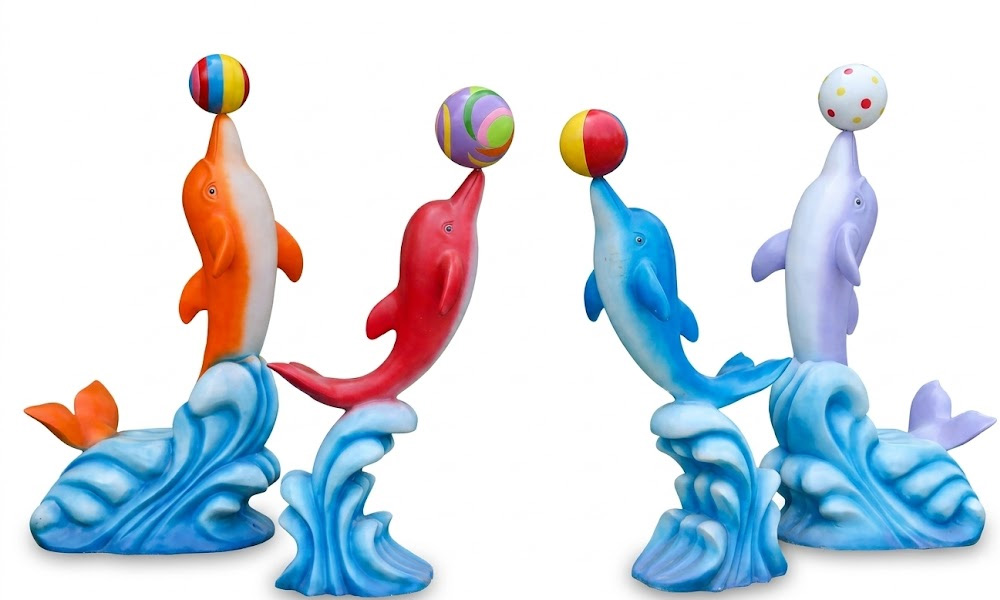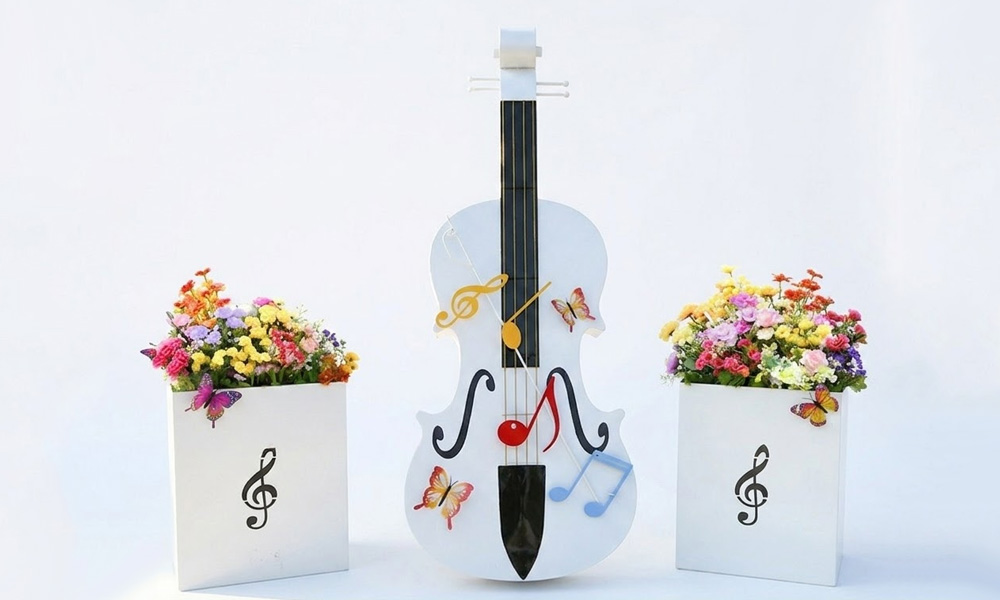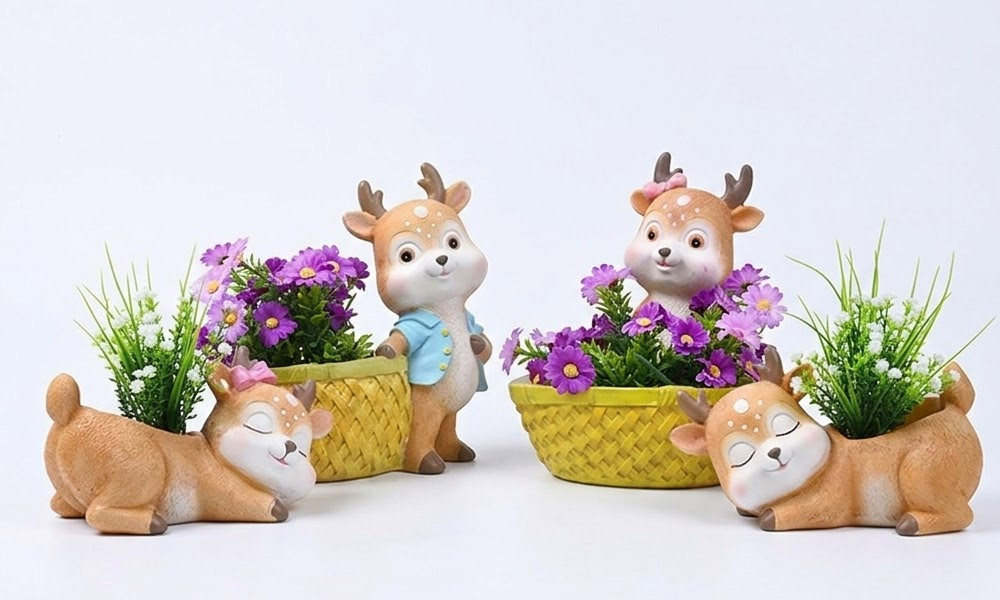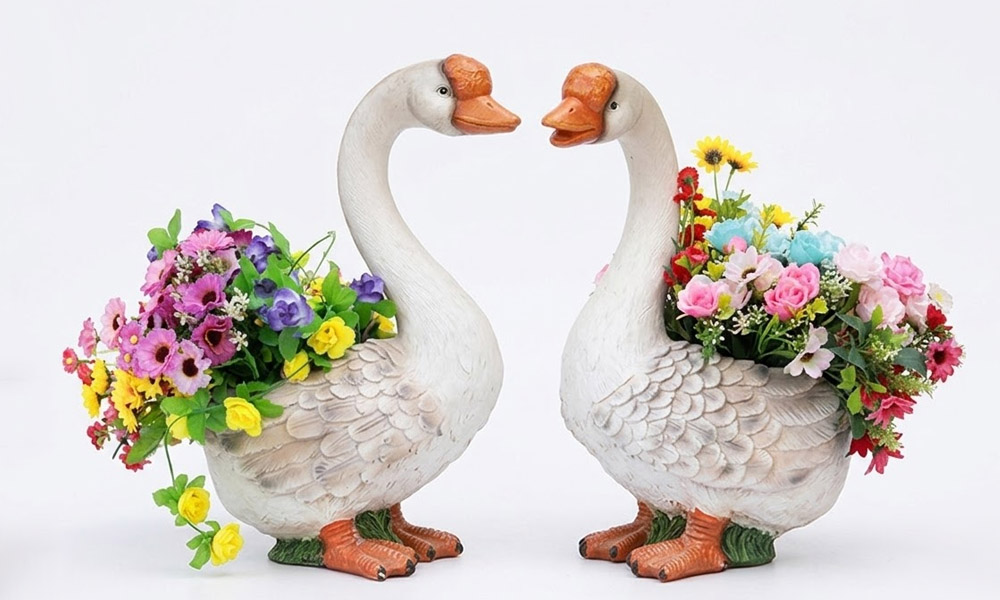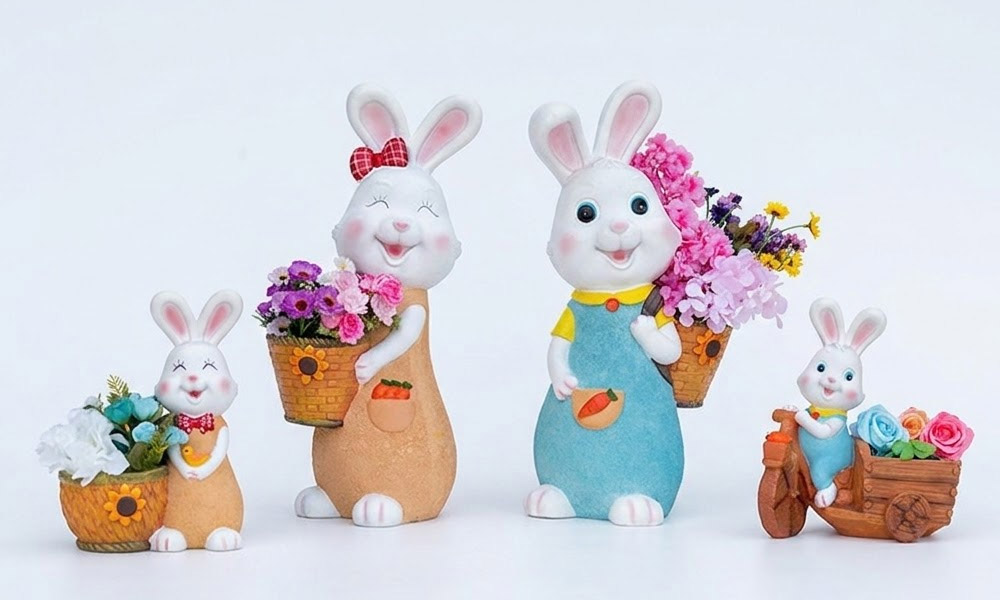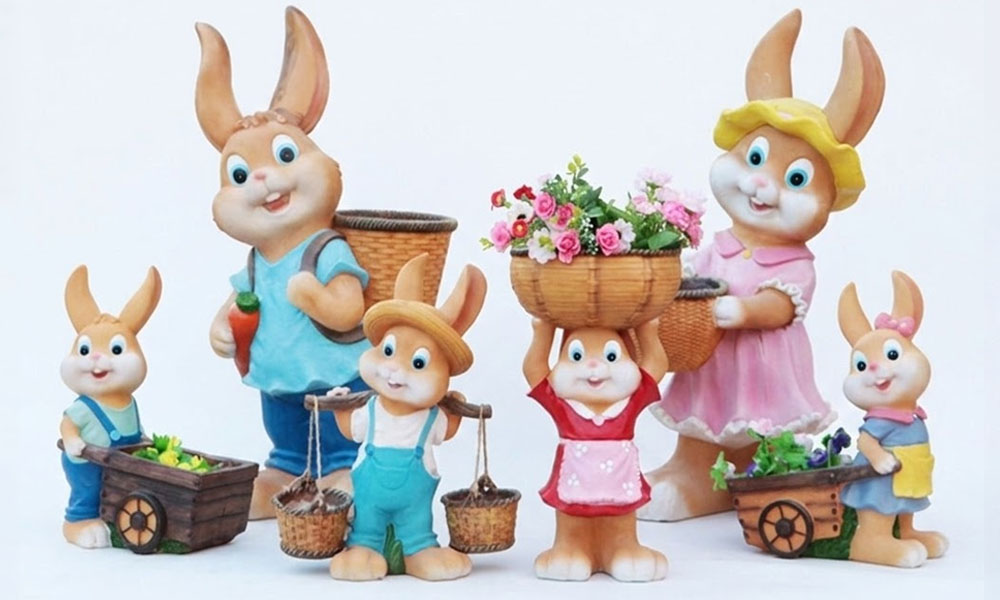
Planter sculptures are the sophisticated evolution of traditional garden containers, where the vessel itself becomes a work of art. These “living statues” do more than just hold soil; they provide a structural framework that interacts with the plants inside, creating a dynamic, ever-changing centerpiece for both interior and exterior spaces.
The Art of the Living Vessel
- Integrated Form: Unlike a standard pot, a planter sculpture uses negative space, curves, and textures to complement the foliage. Whether it’s a minimalist geometric shape or a fluid, biomorphic form, the planter is designed to be as visually compelling as the plants it houses.
- Architectural Presence: Large-scale sculptural planters act as “soft” architecture. They can define boundaries in a courtyard, guide foot traffic in a commercial lobby, or provide a sense of scale in an expansive garden.
- Material Versatility: From the industrial edge of Corten steel and the sleek polish of stainless steel to the lightweight versatility of fiberglass resin, these materials are chosen for their ability to withstand the elements while maintaining a high-art aesthetic.
- Seasonal Transformation: In winter months when plants go dormant, the planter continues to serve as a standalone sculpture, ensuring the space never feels empty or neglected.
Design Insight: To truly elevate a planter sculpture, consider the “spiller” effect. Choosing trailing plants that drape over the edges of a high-design vessel can soften the hard materials and make the sculpture feel like it is part of a lush, ancient landscape.